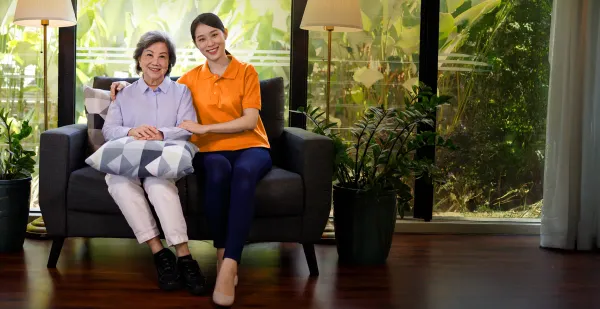
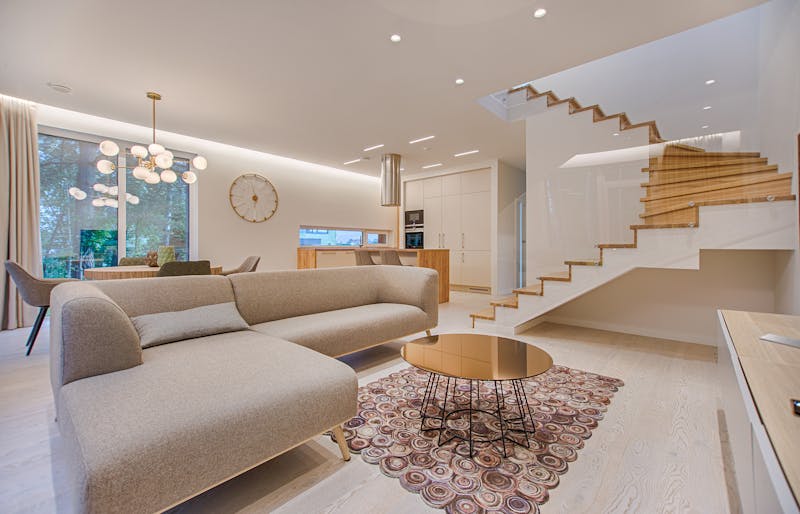
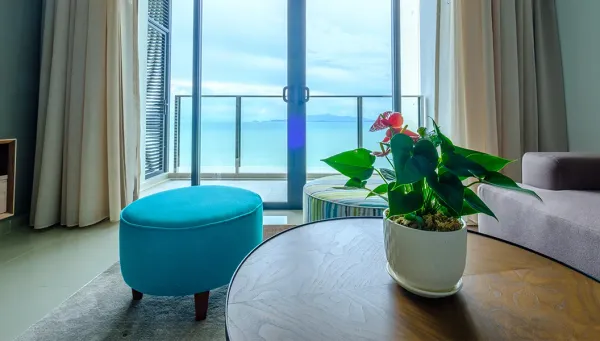
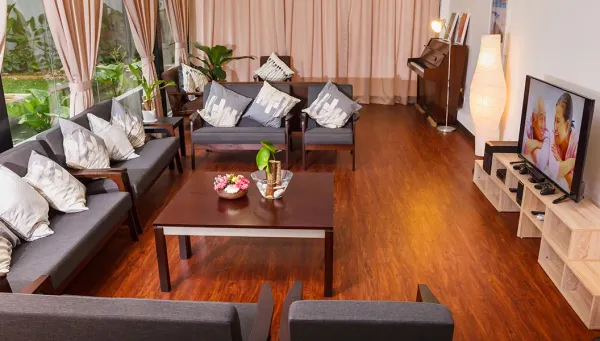
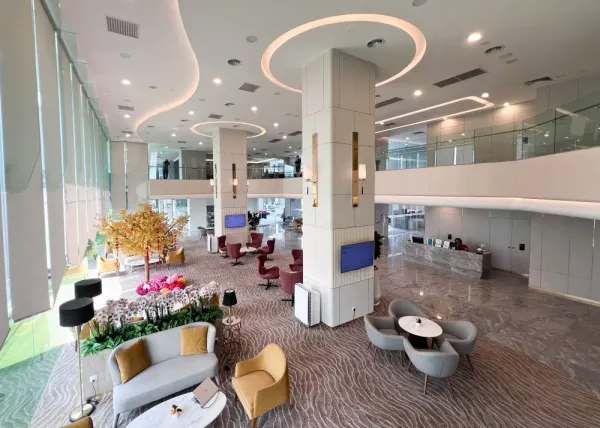
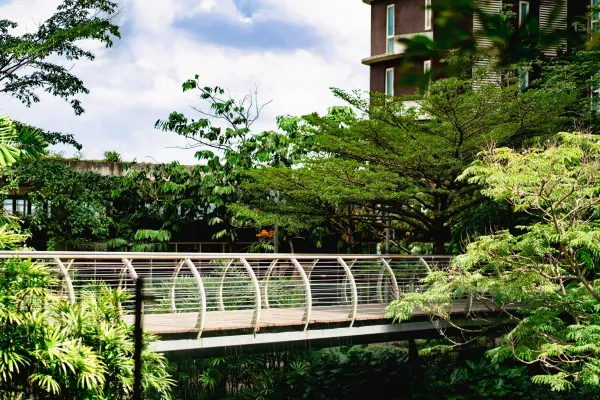
Senior living is changing
For decades, many Malaysian families pictured senior living as one thing: a nursing home, somewhere a frail parent is "sent" when they can no longer cope. That image carries real stigma — and it is increasingly out of date.
Malaysia is ageing fast; the country is projected to become an "ageing nation" by 2030, with more than 15% of the population aged 60 and over. Today's retirees are also more educated, more mobile, and more lifestyle-conscious than the generation before them, while their adult children are often busy or living overseas. Property developers and healthcare groups have noticed, and a new kind of senior living has emerged to meet them: places designed less like hospitals and more like resorts.
The shift matters because it changes the decision. Instead of waiting for a crisis and reacting, more Malaysians are planning the next chapter on their own terms — choosing where and how they want to live while they are still well enough to enjoy it.
What independent living actually is
Independent living is for seniors who are still largely self-sufficient but want a more convenient, secure and sociable lifestyle. Residents keep their own apartment or villa and run their own day; the operator simply removes daily friction — housekeeping, home maintenance, meals or dining, security, transport, social activities, and a medical safety net nearby.
The clearest way to place it is against the rest of the spectrum:
| Type | Best for | Main focus |
|---|---|---|
| Independent living | Active seniors who manage daily life | Lifestyle, convenience, community |
| Assisted living | Need help with some daily activities | Support with bathing, dressing, meds, meals |
| Nursing home | Ongoing medical / high-mobility needs | 24-hour clinical nursing and supervision |
"Retirement resort" and "retirement village" are not a separate tier of care — they are a lifestyle packaging, usually built around independent living, often with assisted living available on the same campus. For the clinical side of the decision, see our guide on assisted living vs nursing home.
Why it's becoming more popular
- ●An ageing, more affluent population. A larger cohort of retirees with savings and clear preferences is creating real demand for choice, not just availability.
- ●Adult children who are busy or overseas. Many families can't provide round-the-clock support at home, and a secure community is more reassuring than a parent living alone.
- ●Seniors who want independence and dignity. The appeal is privacy and autonomy with company on tap — not being looked after, but not being isolated either.
- ●Downsizing. A large family home becomes a burden once the children move out; a right-sized, maintenance-free unit in a community is an attractive trade.
- ●International and Singaporean retirees. Malaysia's healthcare, cost of living, food, climate and widespread English draw foreign retirees — Penang in particular has become a noted retirement destination.
The "retirement resort" idea
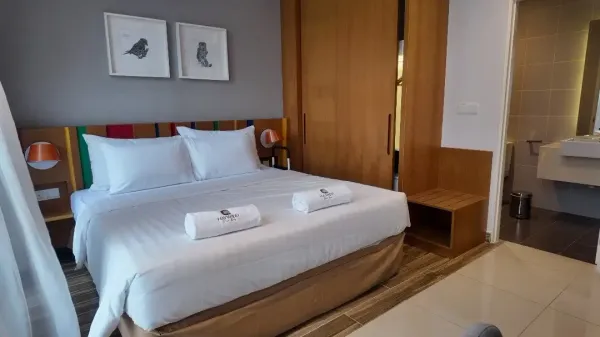
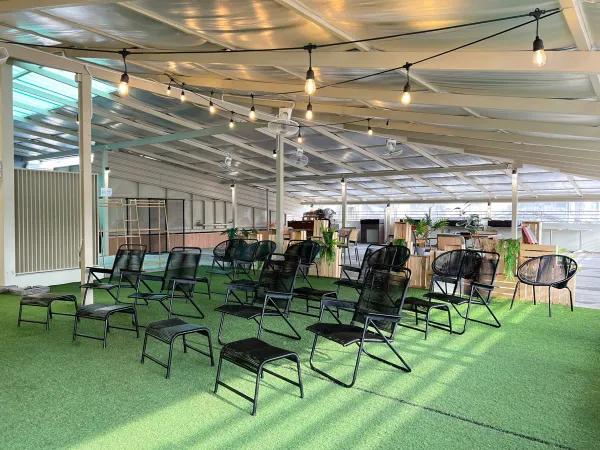
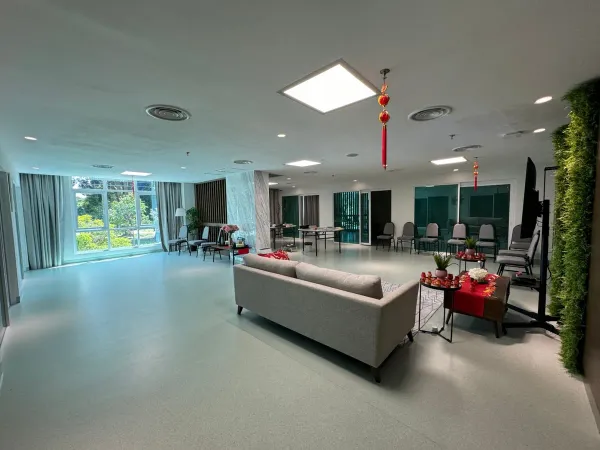
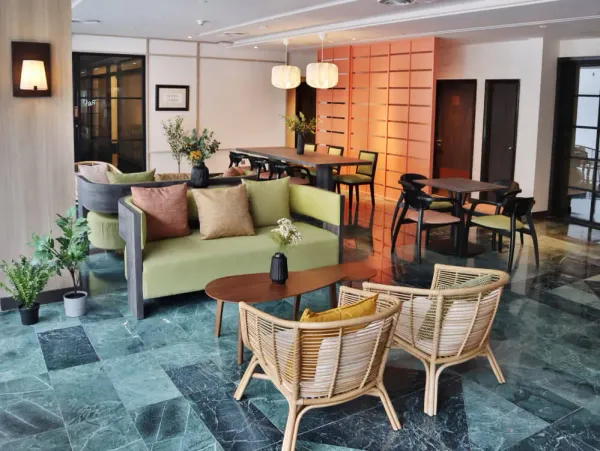
At its best, this category looks less like a facility and more like a serviced apartment, a resort, or a wellness community. The point is not to take independence away from seniors — it is to remove the daily friction so they can enjoy life with more comfort, safety and companionship.
Depending on the residence, that can include:
- Private rooms, studios or apartments
- Housekeeping and laundry
- Meals or dining credits
- Social activities and outings
- Exercise and wellness classes
- 24-hour security and emergency response
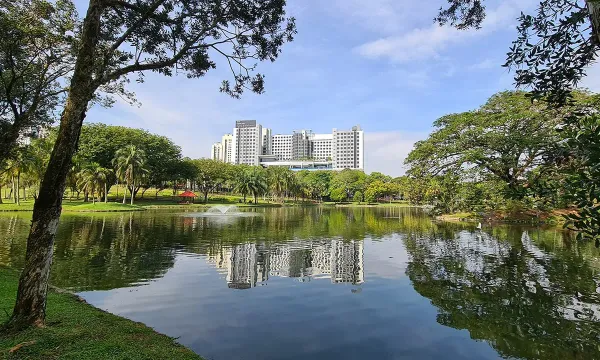
- Gardens, pool, lounge, library, clubhouse
- Transport / shuttle services
- On-site or nearby medical support
- Physiotherapy and rehabilitation
Working out what's right
Independent living suits an active retiree who wants community and less to worry about — but it isn't the right fit for everyone. These guides help you place it against the alternatives before you tour anywhere.
A look at Malaysia's retirement resorts & villages
Five real, contrasting examples from our directory — across regions, models and price points. Figures are operator-published or directory-verified as of 2026; confirm current rates directly before deciding.
Compare at a glance
| Village | Where | Tenure | Indicative cost | Best for |
|---|---|---|---|---|
| GreenAcres Retirement Village (Ipoh) | Ipoh, Perak | Lifelong lease (buy-in) | Lease deposit ~RM 310k-466k | Couples who want to own their retirement |
| Penang Retirement Resort | George Town, Penang | Monthly | From RM 9,500/month | Penang lifestyle + care safety net |
| Millennia Village | Seremban, N. Sembilan | Monthly rental (lease for long-stay) | From RM 6,000/mo all-in | Calmer, greener; near KLIA |
| ReU Living @ St Giles Gardens | Mid Valley, KL | Monthly rental | From RM 9,980/mo | Mall-integrated city living |
| Sunway Sanctuary | Bandar Sunway, Selangor | Monthly | From RM 8,800/mo | Hospital-annexed, premium |
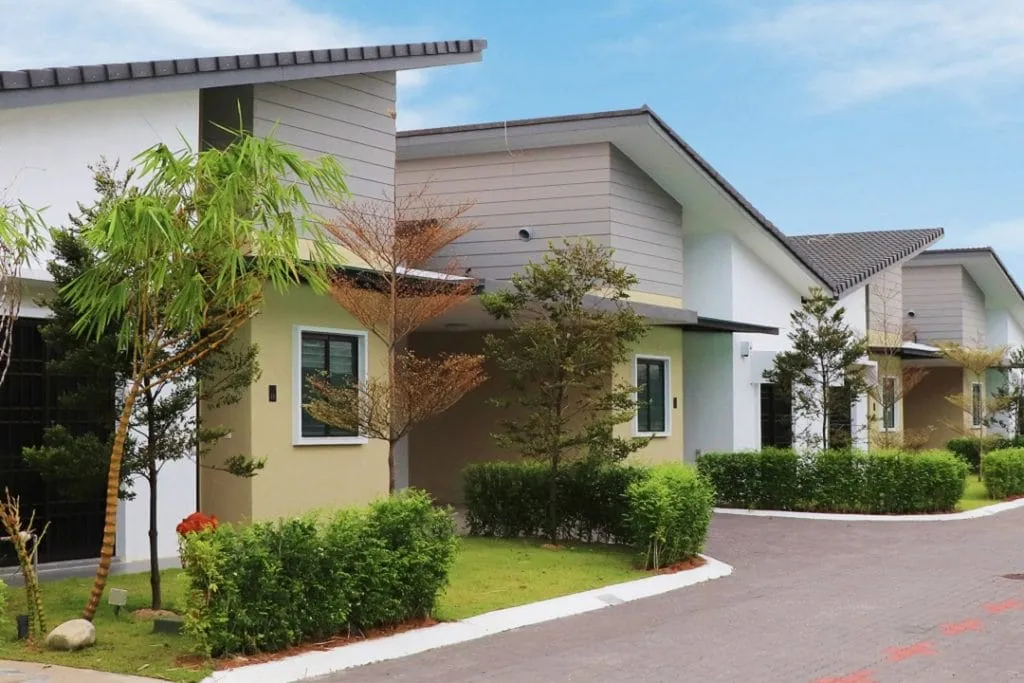
Pioneer village · Ipoh, Perak
GreenAcres Retirement Village (Ipoh)
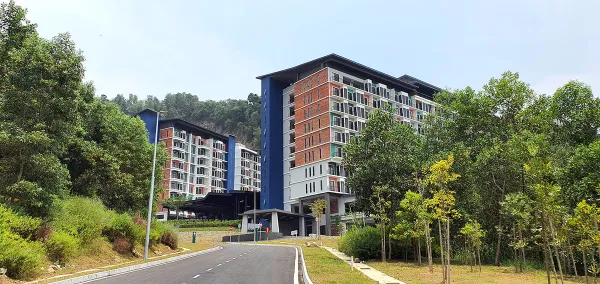
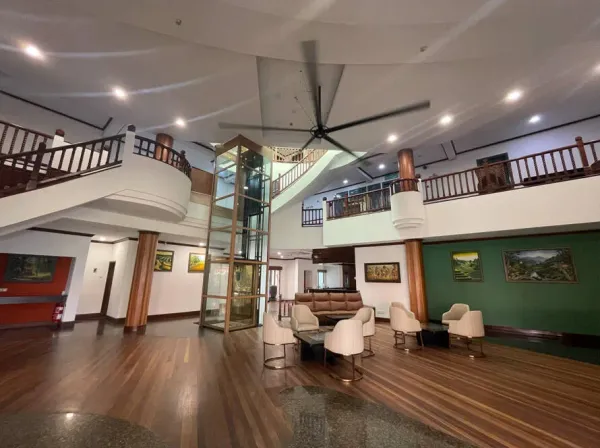
Malaysia's pioneer purpose-built retirement village: 13 acres, 177 single-storey villas and low-rise apartments, anchored by a three-storey 30,000 sq ft clubhouse. Independent-living only, residents aged 55+, on an Australia-style lifelong-lease model. Ipoh's cooler climate, lower cost of living and good private hospitals have long made it Malaysia's quiet retirement capital.
- Model
- Lifelong lease (buy-in)
- Cost
- Deposit RM 310,000-466,000 per villa (one couple), then ~60 sen/sqft/month maintenance + utilities. No monthly rent.
- Suits
- Active 55+ couples downsizing from the family home who want to own their retirement, village-style.
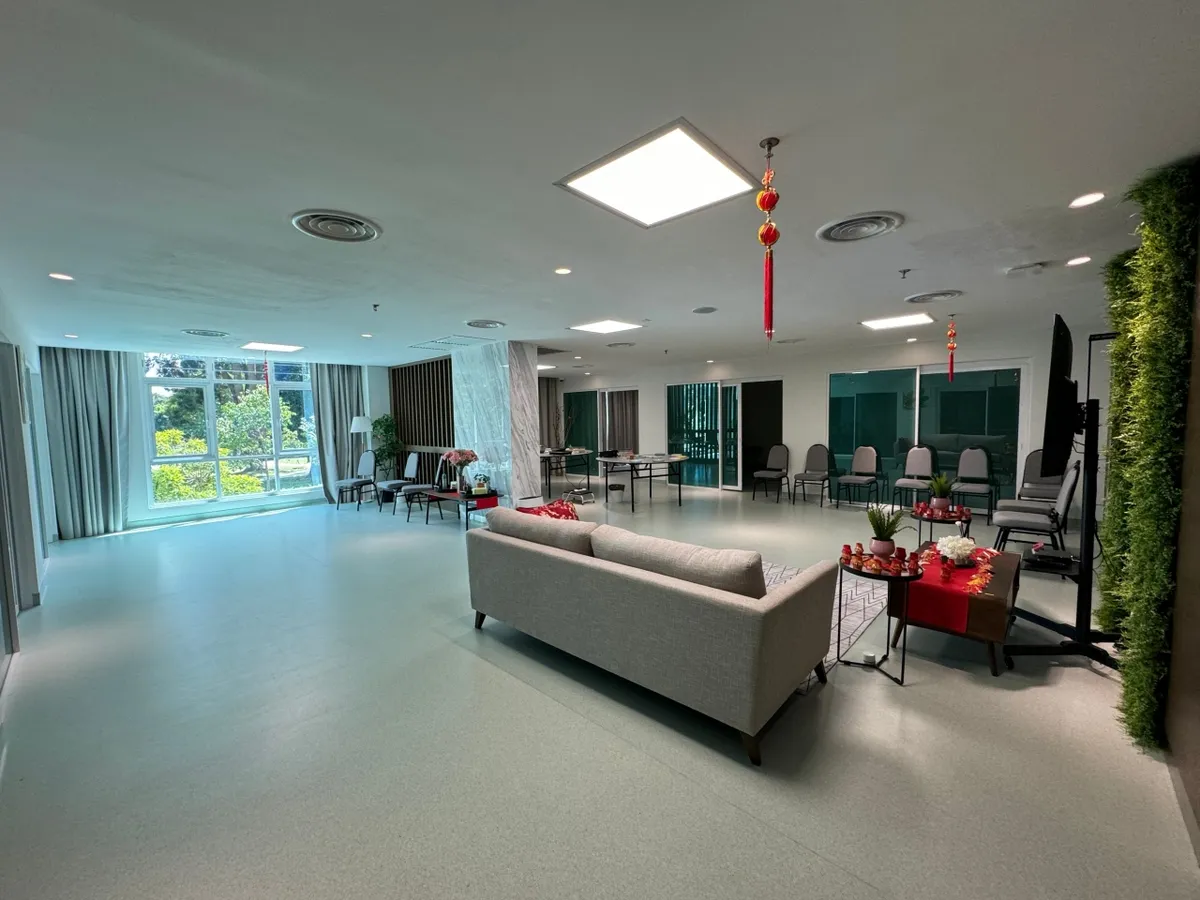
Resort model · George Town, Penang
Penang Retirement Resort
A seven-storey resort beside the Penang Turf Club: 77 independent-living units plus 49 assisted-care units, run in partnership with Keepers Medi Care. Karaoke room, hair salon, wellness spa, cafe, landscaped gardens and AI-assisted 24-hour monitoring — independence, with a clinical layer a floor away if needs change.
- Model
- Monthly
- Cost
- Independent living from RM 9,500/month (RM 10,000 without a 1-year commitment); assisted living with nursing RM 9,500-12,500/month by care level (operator rate card, Aug 2026). At the premium end of the Penang market.
- Suits
- Retirees drawn to Penang's food, sea air, hospitals and international community who want lifestyle plus a care safety net.
Eco-resort village · Seremban, N. Sembilan
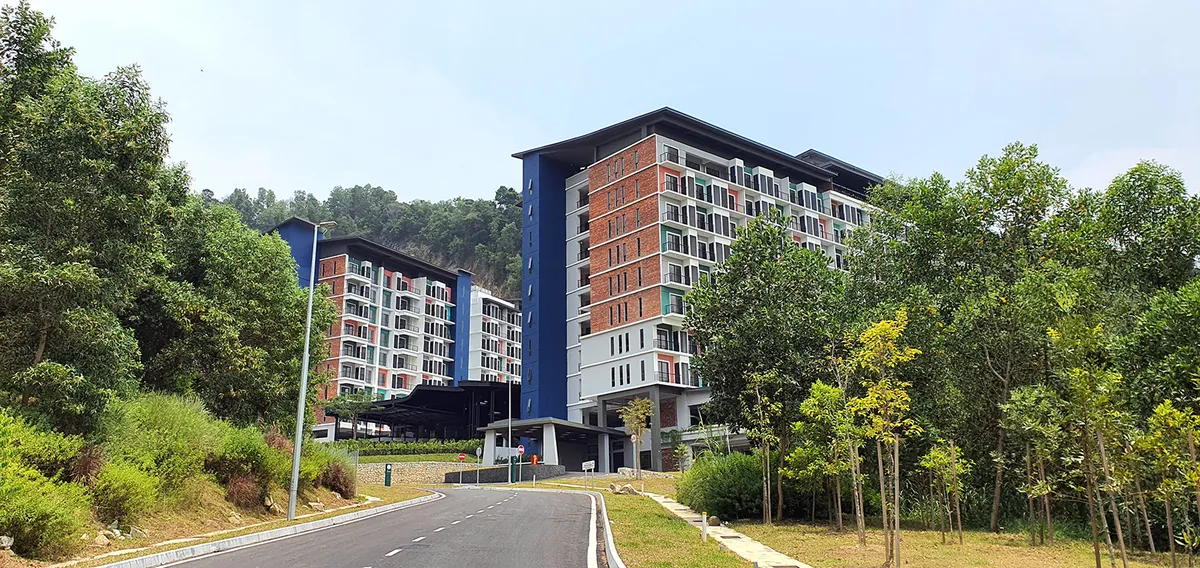
Millennia Village
A 32-acre eco-resort, the only integrated retirement village in Negeri Sembilan and about 35 minutes from KLIA. Wellness-led active retirement with genuinely all-inclusive monthly rates, long-term residency of up to three years, and shorter recuperation or respite stays. The most transparent published pricing of this group.
- Model
- Monthly rental (lease for long-stay)
- Cost
- Studio Plus RM 6,000 / Studio Suite RM 7,000 / Executive Suite RM 8,000 per month (+8% SST) — including a furnished unit, utilities, daily breakfast, housekeeping, WiFi and full facility access.
- Suits
- KL families wanting a calmer, greener setting at a gentler price — with easy KLIA access for visiting family.
Mall-integrated · Mid Valley, KL
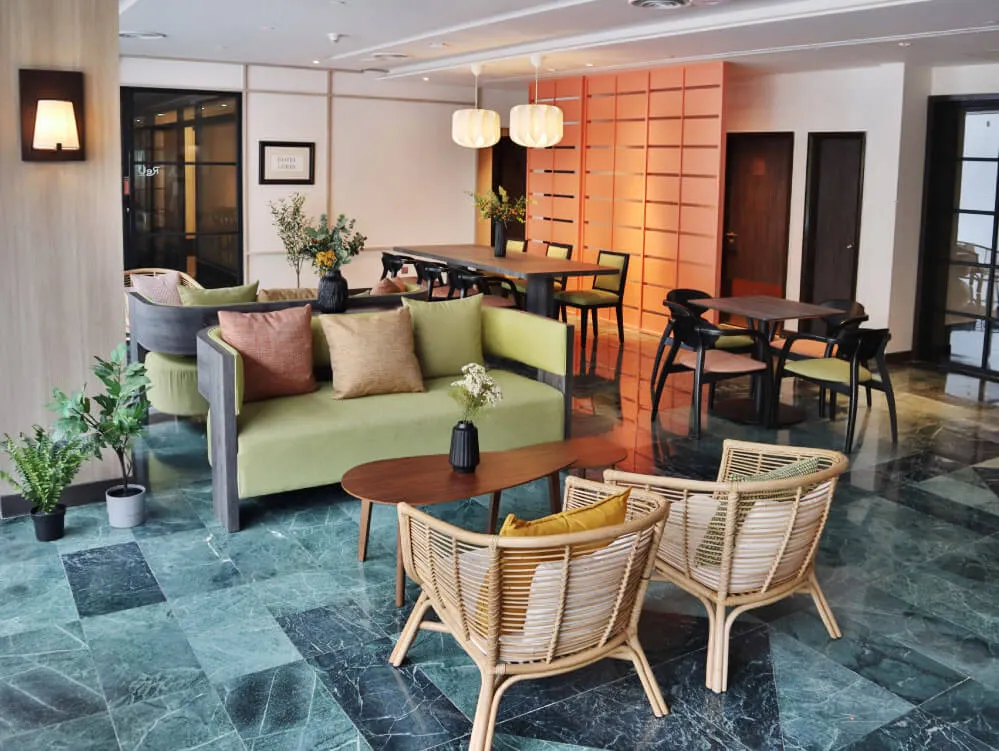
ReU Living @ St Giles Gardens
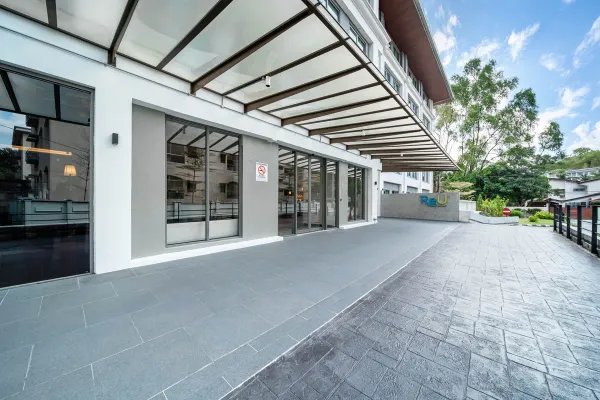
IGB Berhad's flagship on Level 8 of St Giles Gardens, linked by covered, climate-controlled walkways straight into Mid Valley Megamall and The Gardens Mall, with an on-site Mediviron clinic and eight hospitals within 10 km. Hotel-grade suites, four halal meals a day, award-winning service. The rare residence set inside a living commercial district rather than walled off from one.
- Model
- Monthly rental
- Cost
- From RM 9,980/month (non-ensuite); ensuite suites from RM 11,000/month.
- Suits
- Active or recovering seniors who'd find a quiet home isolating, and value daily mall access plus an on-site clinic.
Hospital-annexed · Bandar Sunway, Selangor
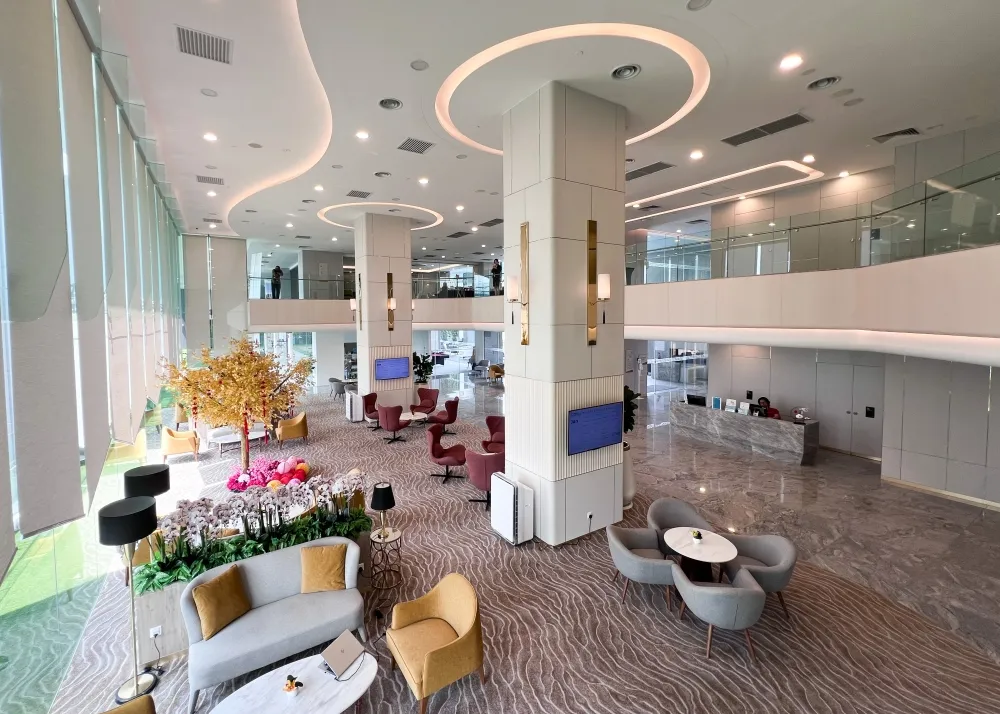
Sunway Sanctuary
Tower D, annexed to Sunway Medical Centre (JCI-accredited) inside the integrated Bandar Sunway township. Independent studios and suites plus assisted living under one roof, so residents can step up in care without leaving the building. Heated salt-water pool, hospitality dining, concierge. One caveat: it does not provide dementia care.
- Model
- Monthly
- Cost
- Independent living from RM 8,800/month; assisted living from RM 13,300/month (operator-confirmed June 2026). Among the highest in the Malaysian market.
- Suits
- Medically-stable seniors and couples wanting an upmarket lifestyle with a JCI-accredited hospital an internal walkway away, and no future move as care needs rise.
These are editorial highlights, not a ranking. The full list of independent-living options on our directory is at the bottom of this page.
What it costs
Pricing varies widely by location, unit size, the services bundled in, and — crucially — the tenure model. As a 2026 guide:
| Tier | Typical cost | What you get |
|---|---|---|
| Value retirement living | RM 4,000-7,000 / mo | Studio or 1-bed, meals or breakfast, housekeeping, facilities, community |
| Premium urban residence | RM 8,000-15,000+ / mo | Hotel-grade suite, dining, concierge, on-site or adjacent clinic |
| Lease / buy-in village | RM 300,000-470,000+ deposit, then low monthly maintenance | Own or lease a villa for life; village amenities; no monthly rent |
For broader senior-care pricing across all care levels, see our cost of eldercare in Malaysia guide and the cost estimator.
The three tenure models — understand this before you sign
- ●Monthly rental. The most common and flexible — a monthly fee, usually leaving on notice. Most urban residences (ReU Living, Sunway Sanctuary, Millennia Village) work this way.
- ●Lifelong lease / licence-to-occupy. A large upfront deposit secures a unit (often for a couple, for life), after which you pay only maintenance and utilities — GreenAcres in Ipoh is the clearest local example. The make-or-break detail is refundability: how much of the deposit comes back, and what happens if you leave or pass away.
- ●Outright purchase. You buy and own a strata unit in the development and pay ongoing maintenance. Best value over a long stay, but it ties up capital and you carry the resale risk.
What moves the price: location (KL and premium Penang sit at the top; Ipoh, Seremban and Melaka are lower), unit size, independent vs assisted tier, whether meals and housekeeping are bundled, and the depth of the medical layer. Watch for service tax (SST) and add-ons billed on top of the headline rate.
Independent living vs staying at home
| Factor | Staying at home | Independent living |
|---|---|---|
| Privacy | High | High, in your own unit |
| Safety | Depends on the home setup | Usually better — emergency response on site |
| Social life | Can become isolating | Built-in community |
| Meals & housekeeping | Self / family / helper | Often included |
| Medical access | Depends on location | Often nearby or coordinated |
| Cost | Can be lower | Higher, but more services included |
Independent living usually costs more than staying put — but the comparison isn't only money. It can quietly remove hidden burdens that rarely show up in a budget: loneliness, home maintenance, caregiver stress on adult children, transport, and the safety risk of living alone.
Who it's for — and who it isn't
A good fit for seniors who:
- Can move around with little or no help
- Want privacy, but not isolation
- Value convenience, safety and a ready social circle
- Would happily downsize from a large home
- Have adult children living far away
- Are planning ahead, while still well
Not the right fit for seniors who:
- Need constant nursing care or close medical supervision
- Have moderate-to-advanced dementia
- Cannot manage most daily activities without help
For those situations, assisted living or a nursing home is the more appropriate setting. Our choosing the right level of care guide walks through the decision.
How to choose — what to check on a visit
- ●The care continuum. Is it independent-living only, or can a resident move up to assisted or nursing care on the same campus? If not, what is the plan when needs rise — and who arranges the move?
- ●The tenure terms. Rent, lease, or buy? For deposits, get the refund and exit terms in writing — what is returned, on what timeline, and what happens on death or relocation.
- ●Operator and developer track record. A retirement village is a long commitment; the financial stability and reputation of the operator (and the developer behind the building) matter more than the show suite.
- ●Location and healthcare access. How near is a good hospital? How easy is it for family to visit? Proximity to both shapes daily life and emergencies.
- ●Emergency support. Is there 24-hour staff and an emergency call system in each unit?
- ●The all-in cost. Monthly fee, deposit, meal plan, laundry, transport, medical escort, and any fee-escalation clause. Ask for a worked example, not just the headline rate. See understanding fees and contracts.
- ●A trial stay. Many resorts offer short respite or staycation stays. A few nights tells you more about the food, the community and the feel than any brochure. See our home-visit questions checklist.
Retiring in Malaysia as a foreigner
Malaysia has become a serious option for international and Singaporean retirees. Malaysia My Second Home (MM2H) is a long-stay visa programme widely used by foreign retirees, and the draw is consistent: quality private healthcare, a far lower cost of living than Singapore or the West, excellent food, a warm climate, and widely-spoken English. Penang and the Klang Valley are the most established destinations, and Johor Bahru is increasingly popular with Singaporean families for its proximity across the Causeway.
Some retirement resorts actively cater to international residents. If you are crossing from Singapore, our guide for Singaporean families covers the cross-border considerations in detail. One caution: MM2H financial criteria and rules have changed several times in recent years — verify the current requirements with the official programme before making plans.
The honest trade-offs
Retirement-resort living is genuinely appealing, but it isn't the right answer for everyone, and the marketing rarely mentions the catches:
- ●It is not care. Independent living assumes you can manage your own day. Needs change — and a residence without a care continuum can mean an unwanted move later, often at the worst time.
- ●The market is young and lightly regulated. Malaysia has no dedicated retirement-village law of the kind Australia has. With lease and buy-in models especially, the protection you have depends almost entirely on the contract — so read it, and consider legal advice before paying a large deposit.
- ●Exit and resale can be illiquid. A monthly rental is easy to leave; a six-figure lease deposit or a purchased unit is not. Understand how you get your money back, and how long it takes, before you put it in.
- ●It costs more than home. For a senior who is happy, safe and well-supported at home, the premium may not be worth it. The case is strongest when home has started to mean isolation, risk, or a maintenance burden.
The bottom line
Independent living is a real and growing choice in Malaysia, and a legitimate one for active seniors who plan ahead rather than wait for a crisis. The category has matured from a single building with a few amenities into genuine retirement resorts and villages — some all-inclusive and affordable, some hospital-grade and premium, some that you lease for life. Done well, it doesn't take independence away; it removes the friction that erodes it.
The decision really comes down to two questions: which tenure model fits your situation — the flexibility of monthly rental, or the long commitment of a lease or purchase — and what the care continuum looks like when your needs change. Settle those, visit (ideally with a trial stay), read the contract closely, and you'll be choosing the next chapter on your own terms.
Looking for independent living or a retirement resort?
Tell us your preferred location, budget, lifestyle and whether you want a care safety net for later — we'll send a shortlist of independent-living and retirement-resort options that match. Free for families, no obligation.
Get a personalised shortlist →Frequently asked questions
Common questions families ask about independent living and retirement resorts in Malaysia.
- What is independent living for seniors?
- Independent living is for older adults who are still largely self-sufficient but want a more convenient, secure, community-based lifestyle. Residents have their own apartment or villa and manage their own day, while the operator removes daily friction — housekeeping, maintenance, meals or dining, security, social activities, and a medical safety net nearby. It is about lifestyle and convenience, not clinical care.
- Is independent living the same as a nursing home?
- No. A nursing home provides 24-hour clinical care for residents with ongoing medical needs. Independent living is for active, medically-stable seniors and is closer to a serviced apartment or resort than a care facility. The two sit at opposite ends of the senior-living spectrum, with assisted living in between. Many retirement resorts offer assisted living on the same campus so residents can step up in care later without moving out.
- How much does independent living or a retirement village cost in Malaysia?
- Monthly-rental retirement living typically runs from around RM 4,000-7,000 for value-tier studios and one-bedrooms (e.g. Millennia Village in Seremban from RM 6,000 all-in) up to RM 8,800-15,000+ for premium urban residences (Sunway Sanctuary from RM 8,800; ReU Living in Mid Valley from RM 9,980). Lease or buy-in villages work differently: GreenAcres in Ipoh charges a one-time lifelong-lease deposit of roughly RM 310,000-466,000 per villa with no monthly rent, only maintenance and utilities. Always confirm current rates and what is included directly with the operator.
- What is the difference between renting and buying into a retirement village?
- Three tenure models exist in Malaysia. Monthly rental is the most common and the most flexible — you pay a monthly fee and can usually leave on notice. A lifelong lease or licence-to-occupy involves a large upfront deposit that secures the unit (often for a couple, for life), after which you pay only maintenance and utilities; the key question is how much of that deposit is refundable, and what happens if you leave or pass away. Outright purchase means you own a strata unit and pay maintenance. The buy-in models can be better value over a long stay but tie up capital — read the exit and refund terms carefully before committing.
- Can foreigners or Singaporeans retire in a Malaysian retirement resort?
- Yes. Malaysia My Second Home (MM2H) is a long-stay visa programme that many foreign retirees use, and Penang and the Klang Valley are popular with international and Singaporean retirees for their healthcare, cost of living, food, climate and widespread English. Some retirement resorts actively cater to international residents. MM2H financial criteria and rules change periodically, so verify the current requirements with the official programme before planning a move.
- What happens when I need more care later?
- This is the single most important question to ask. Some retirement resorts offer a continuum of care — independent living, assisted living, and sometimes nursing care on the same campus — so a resident can move up in support without leaving the community (Penang Retirement Resort and Sunway Sanctuary are examples). Others are independent-living only, meaning a resident who later needs nursing care must move to a separate facility. Neither is wrong, but you should know which one you are choosing before you commit.
Retirement-village guides
Going deeper on the retirement-village decision — cost, tenure, and how to choose:
Related reading
Pricing and facility details are operator-published or directory-verified as of 2026 and can change — confirm current rates, inclusions, tenure terms and licensing directly with each operator before committing. This page is information, not financial or legal advice; for large lease deposits or purchases, consider independent legal advice.