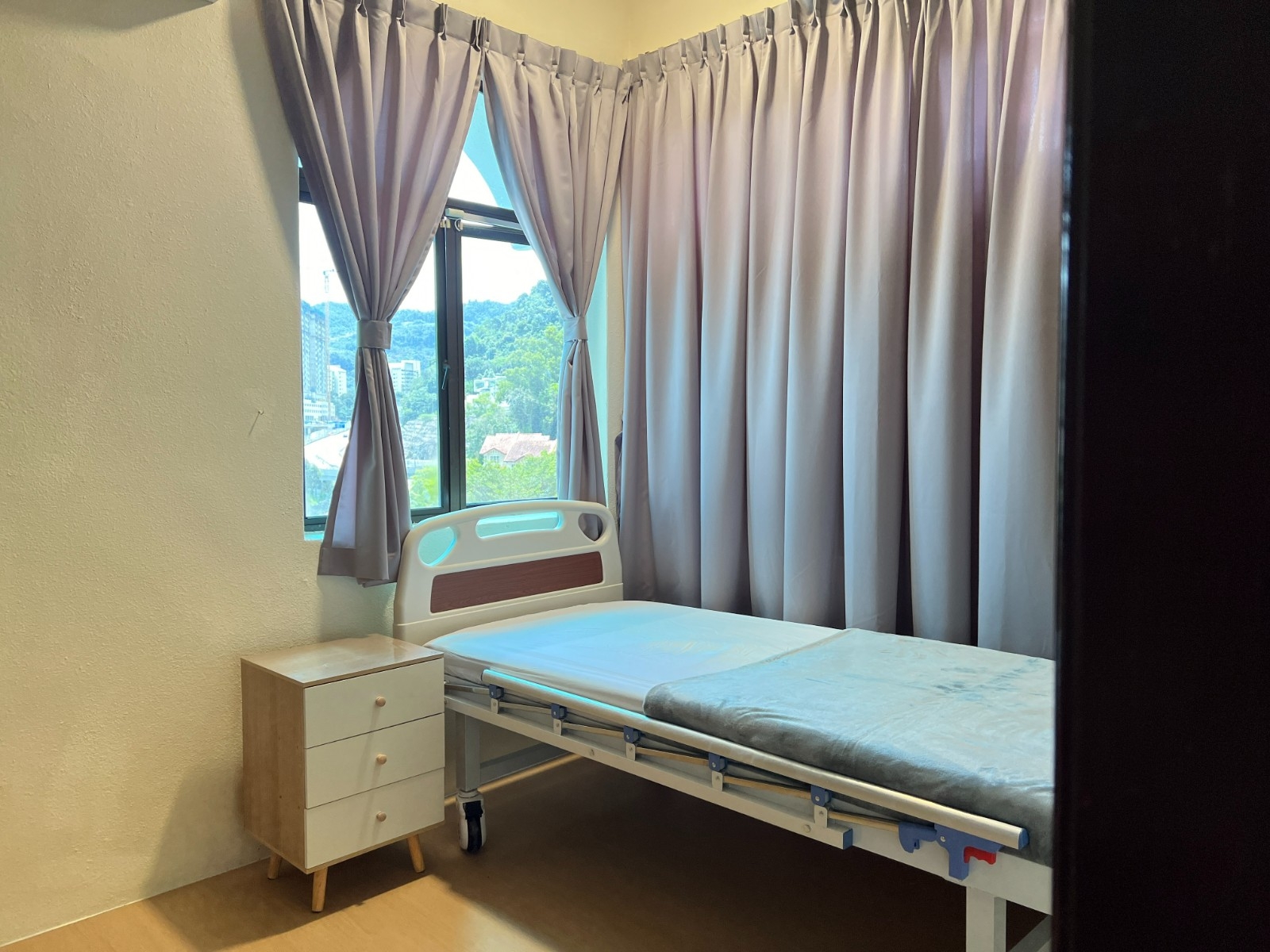
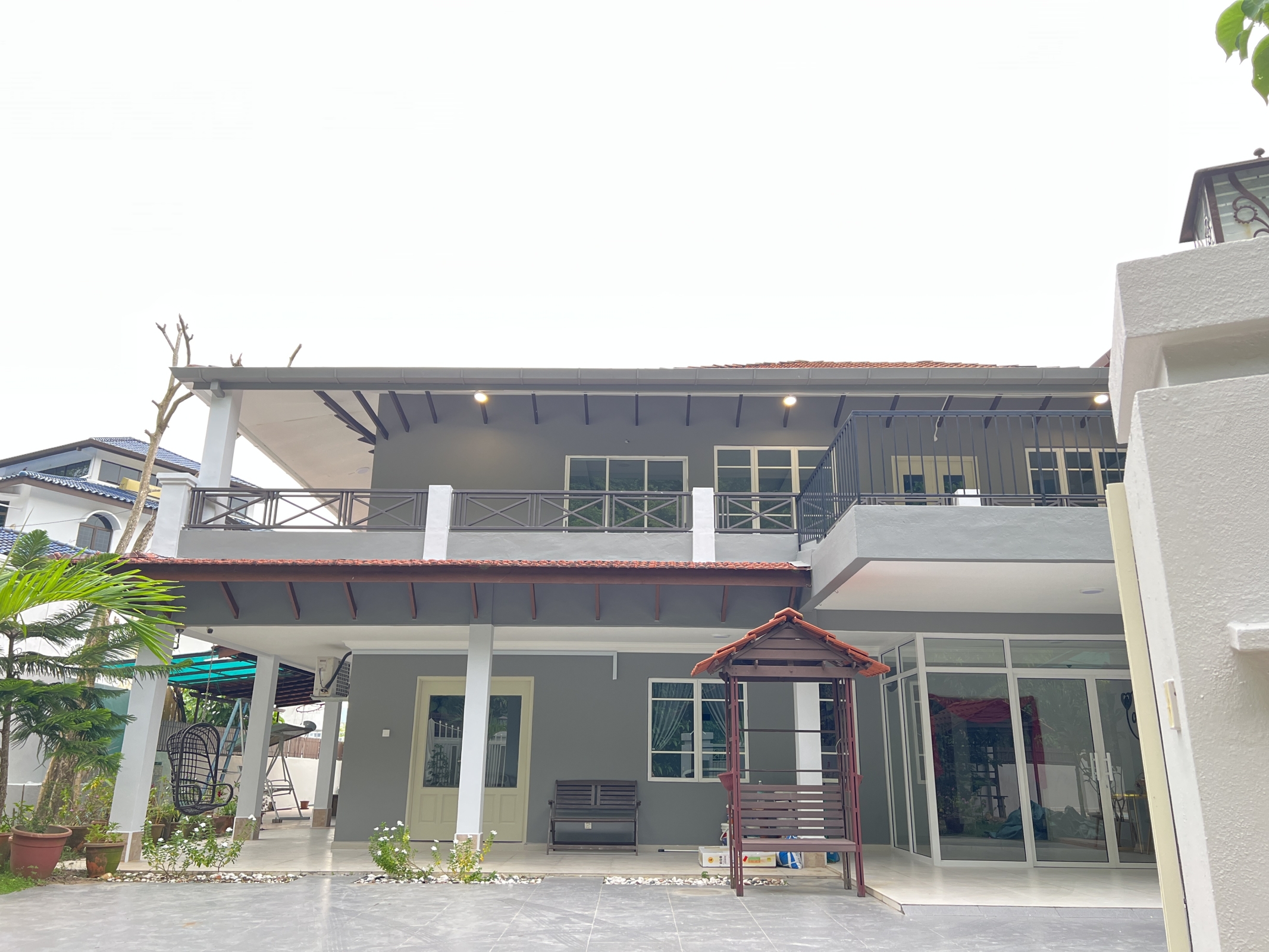
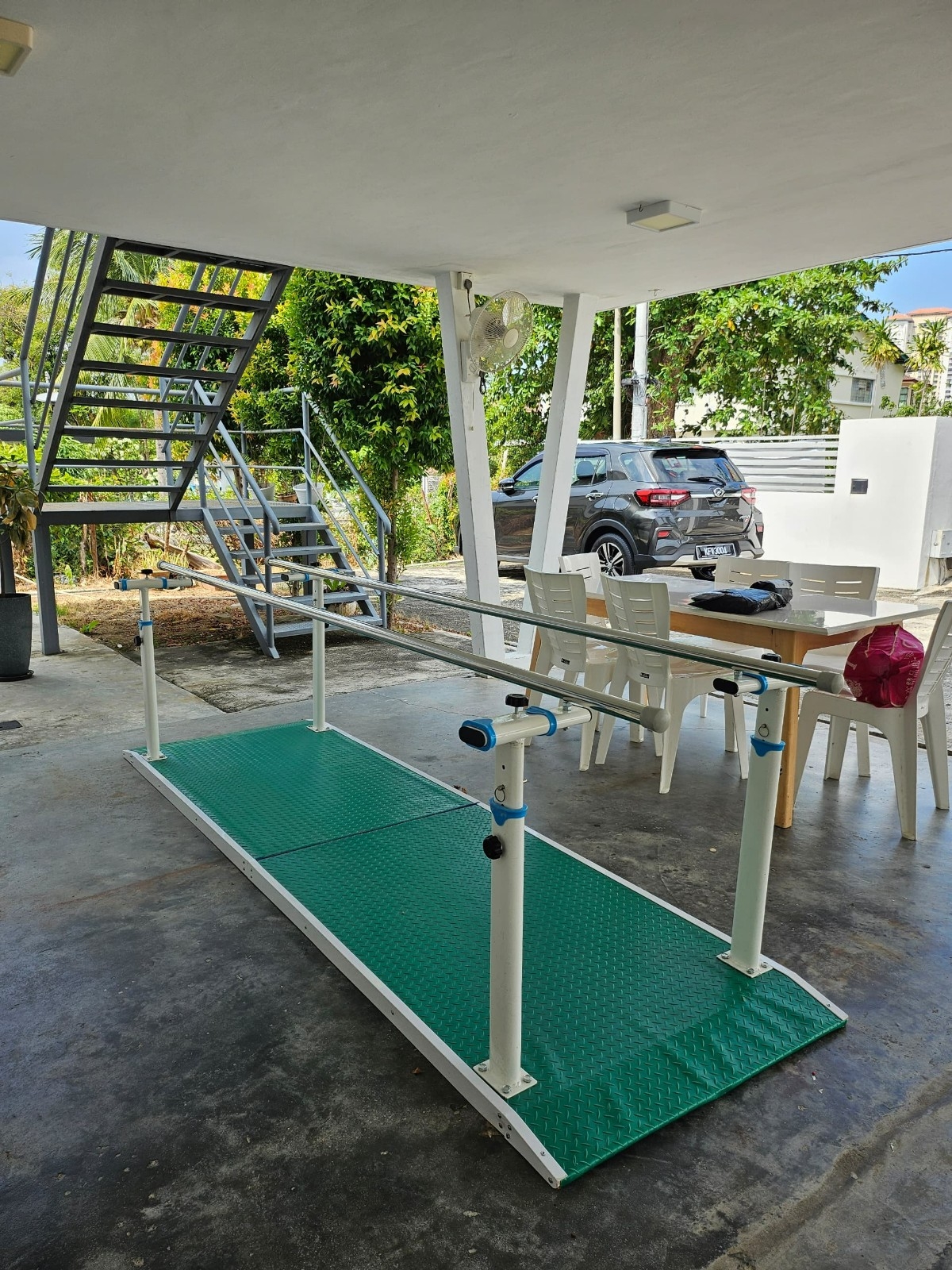
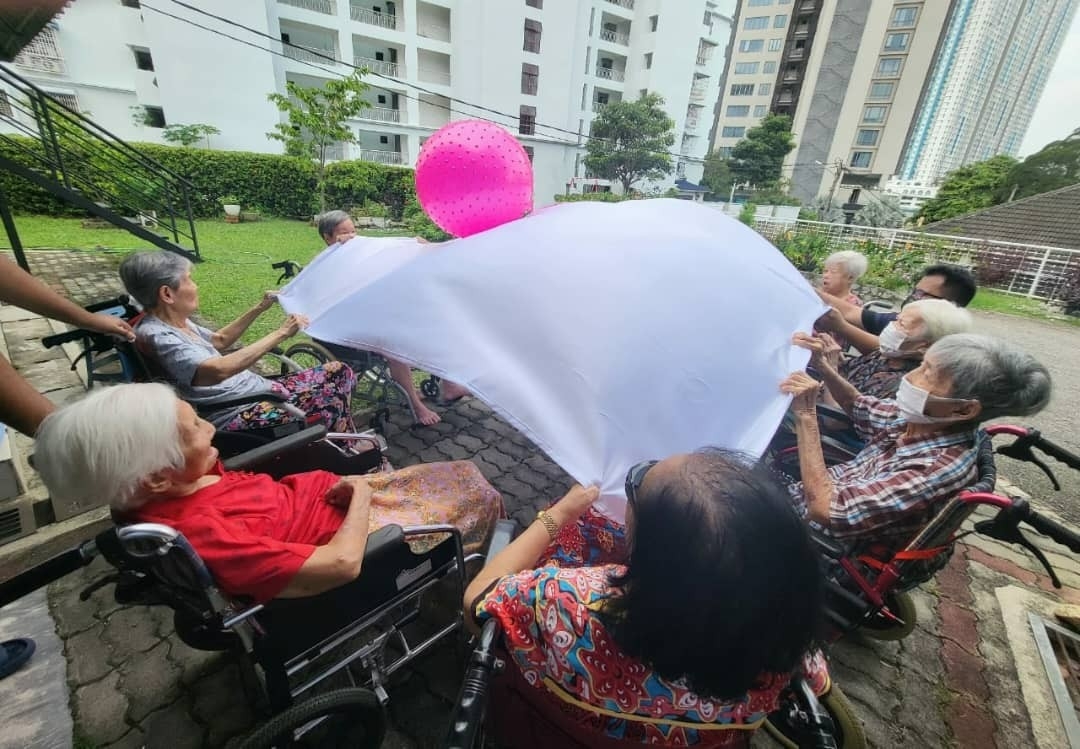
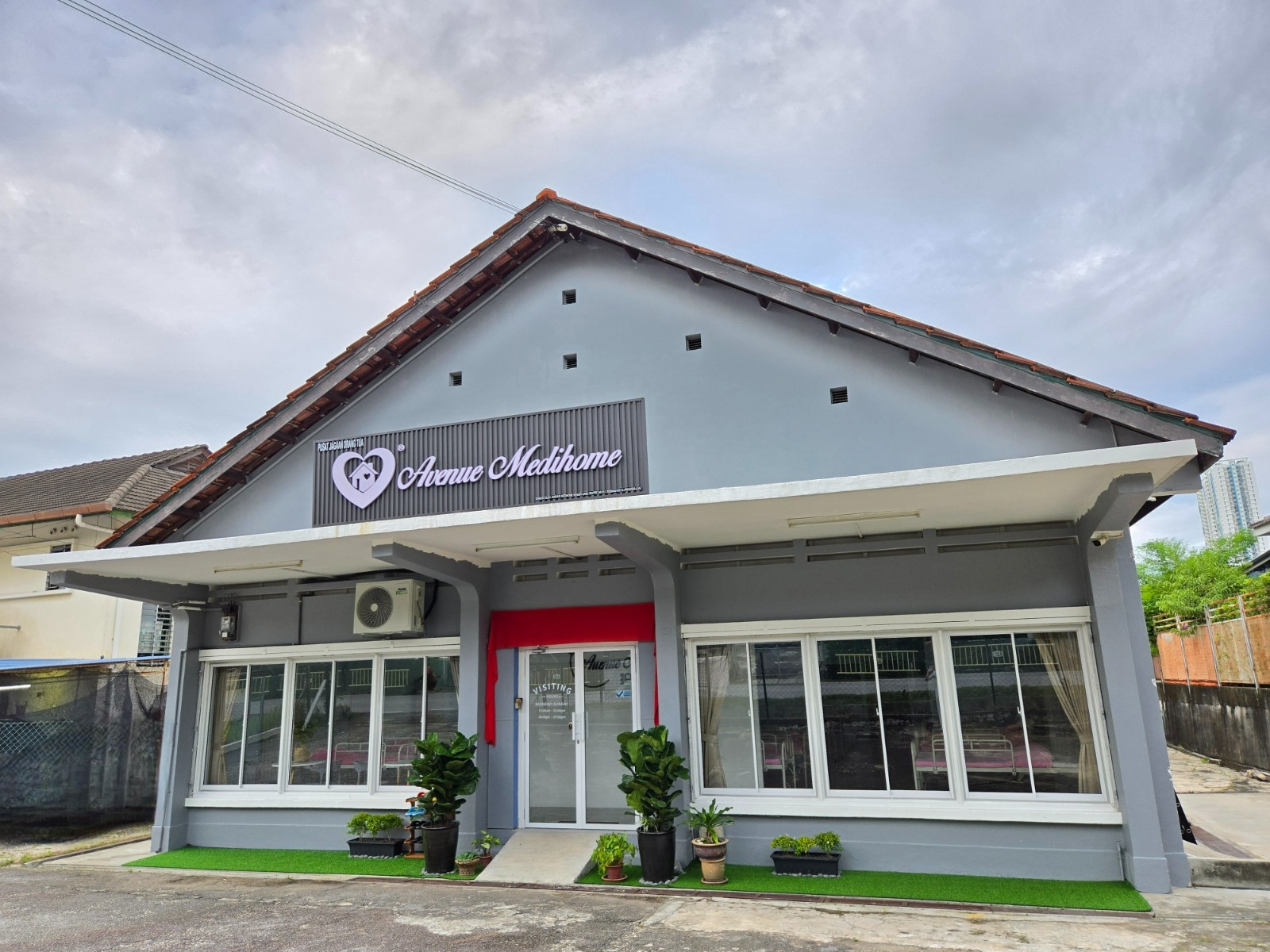
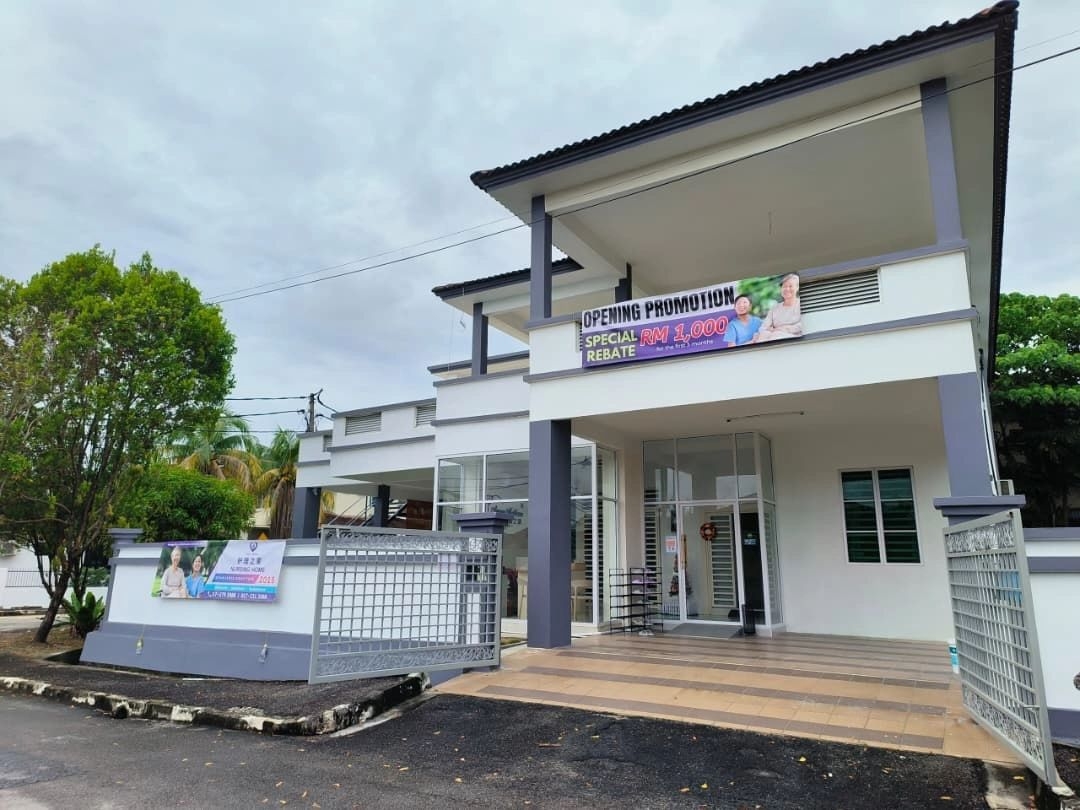
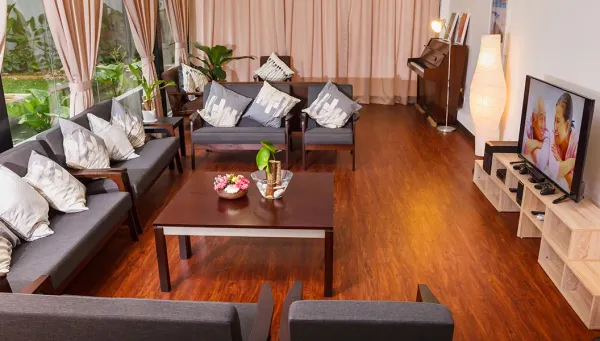
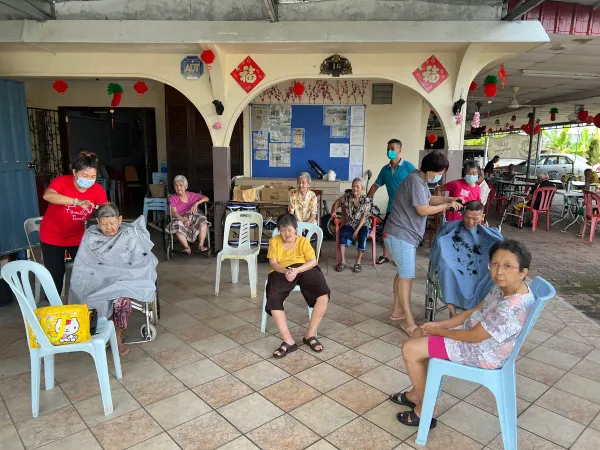
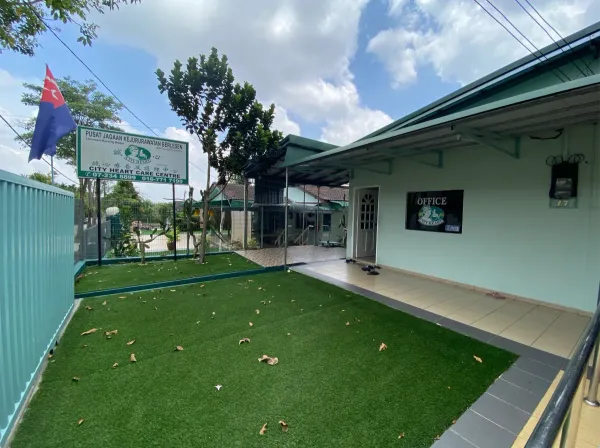
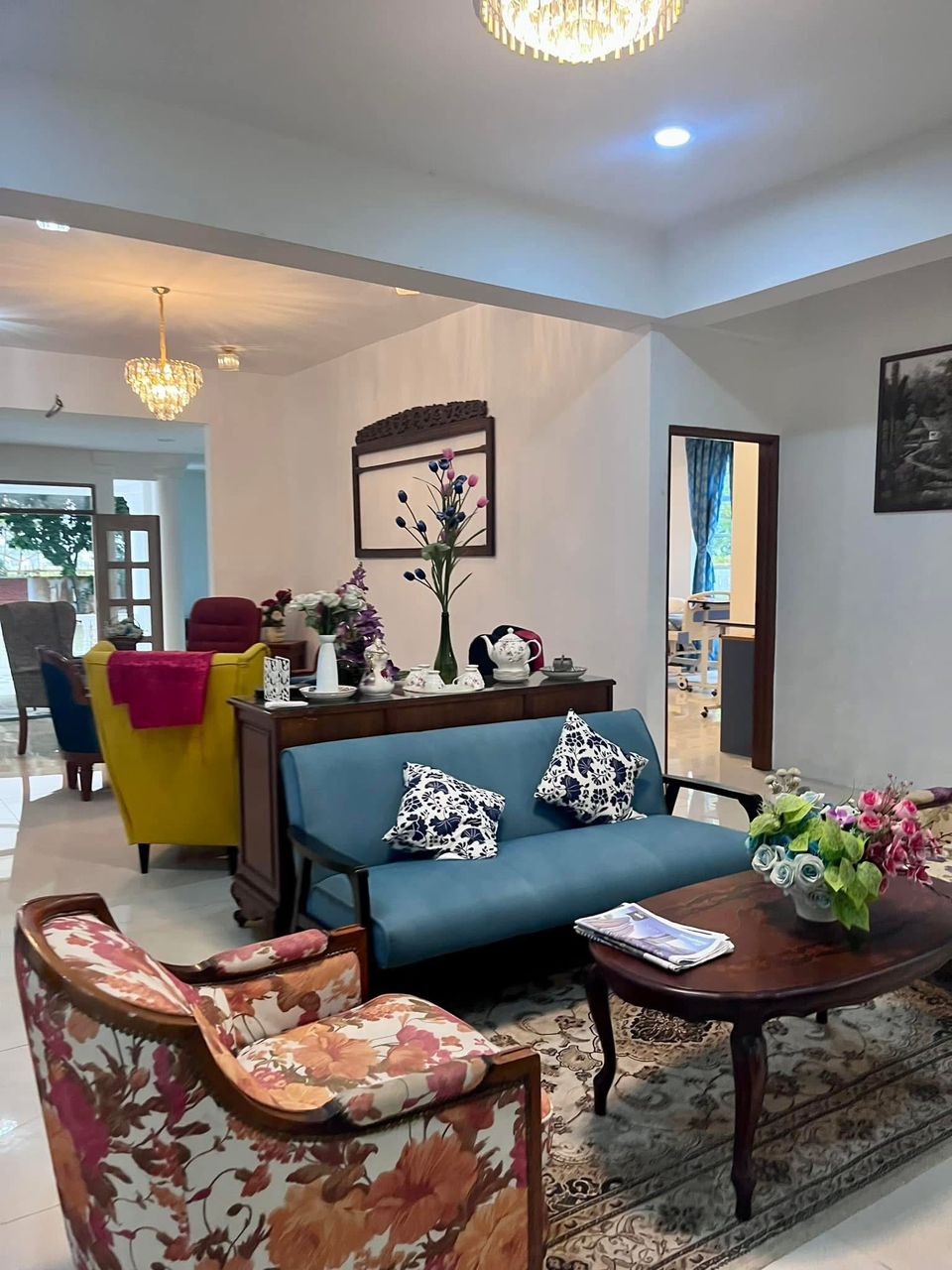
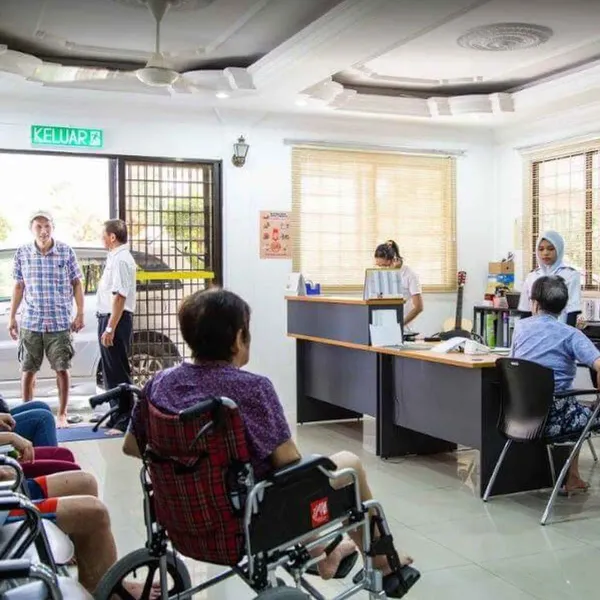
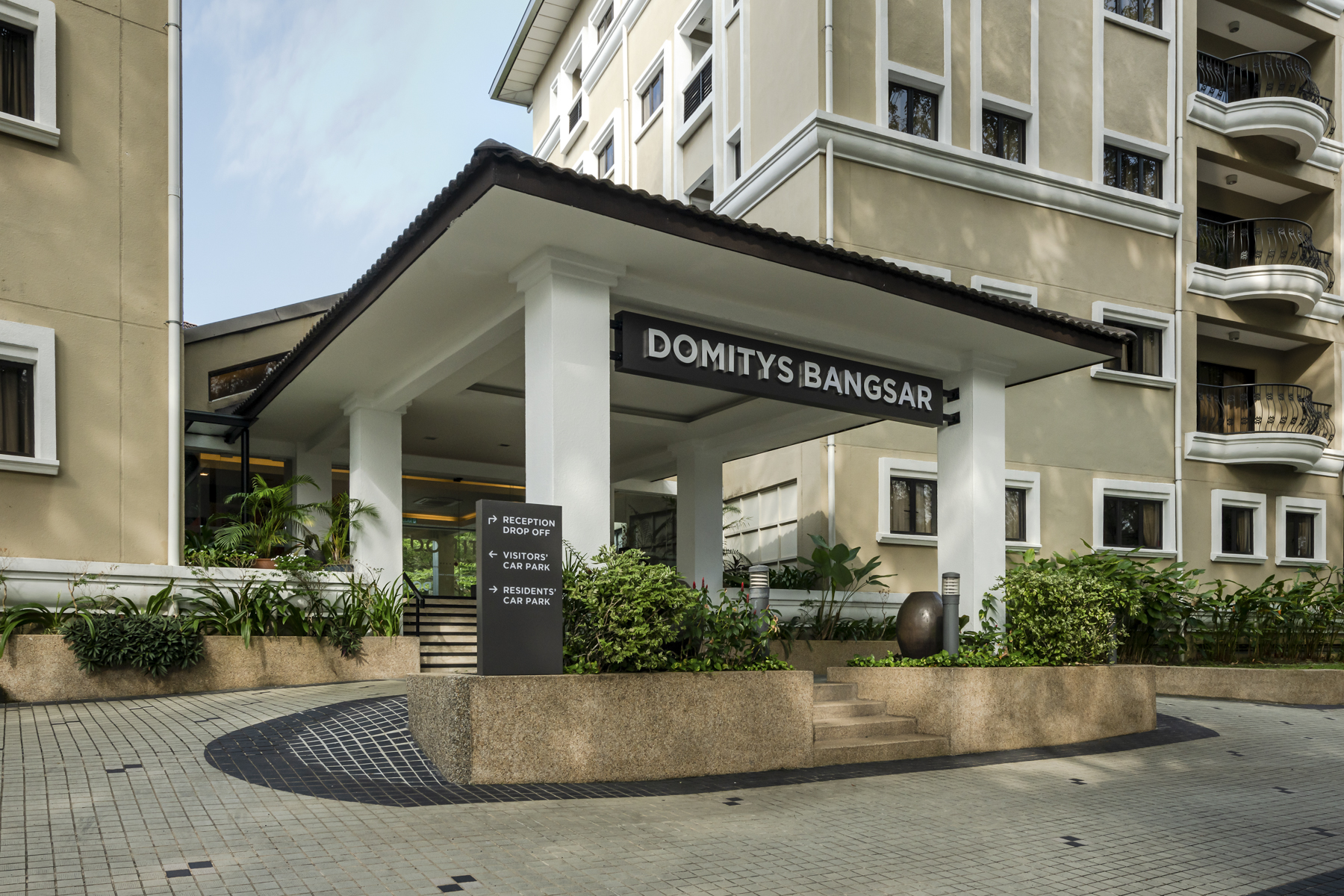
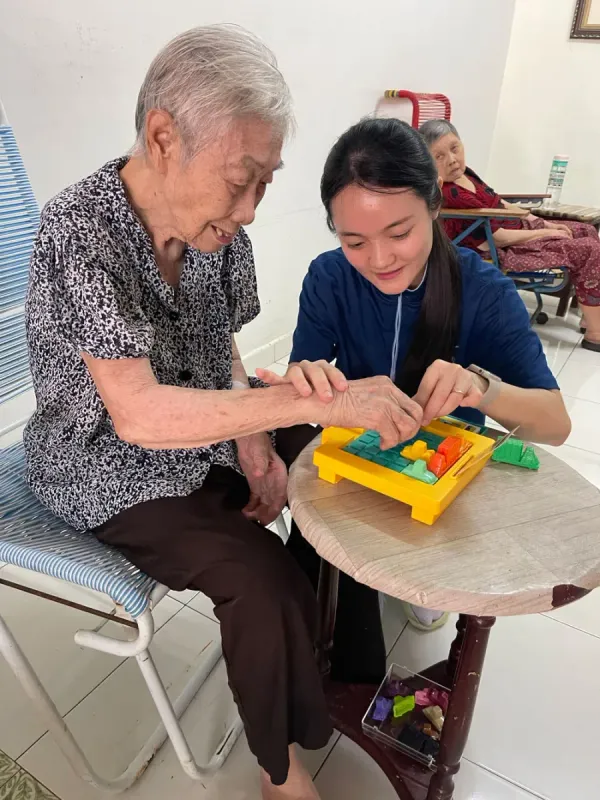
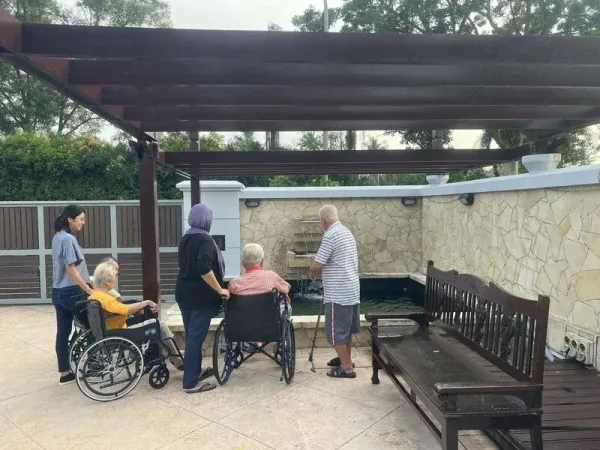
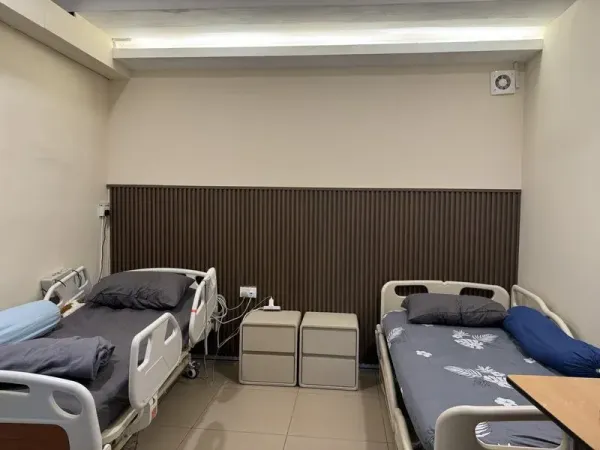
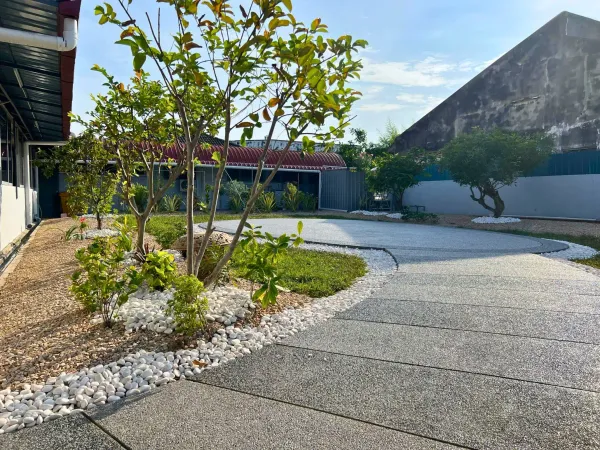
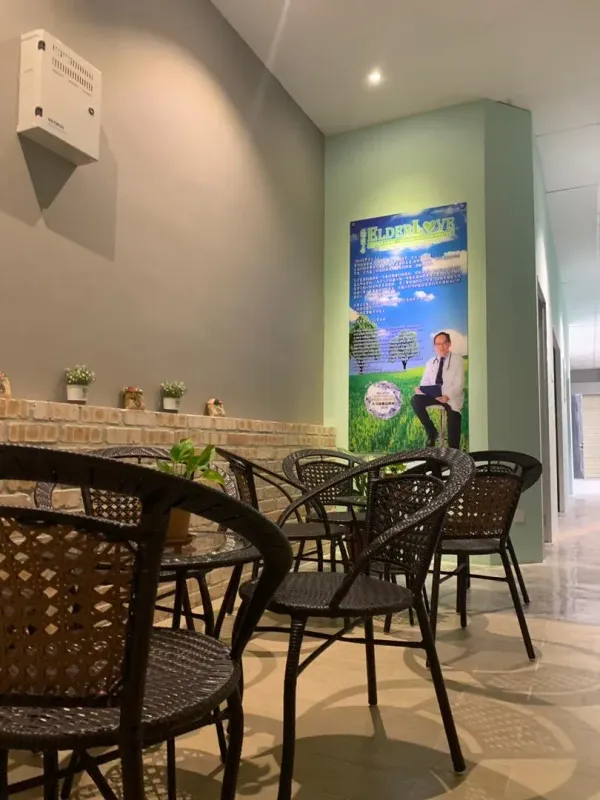
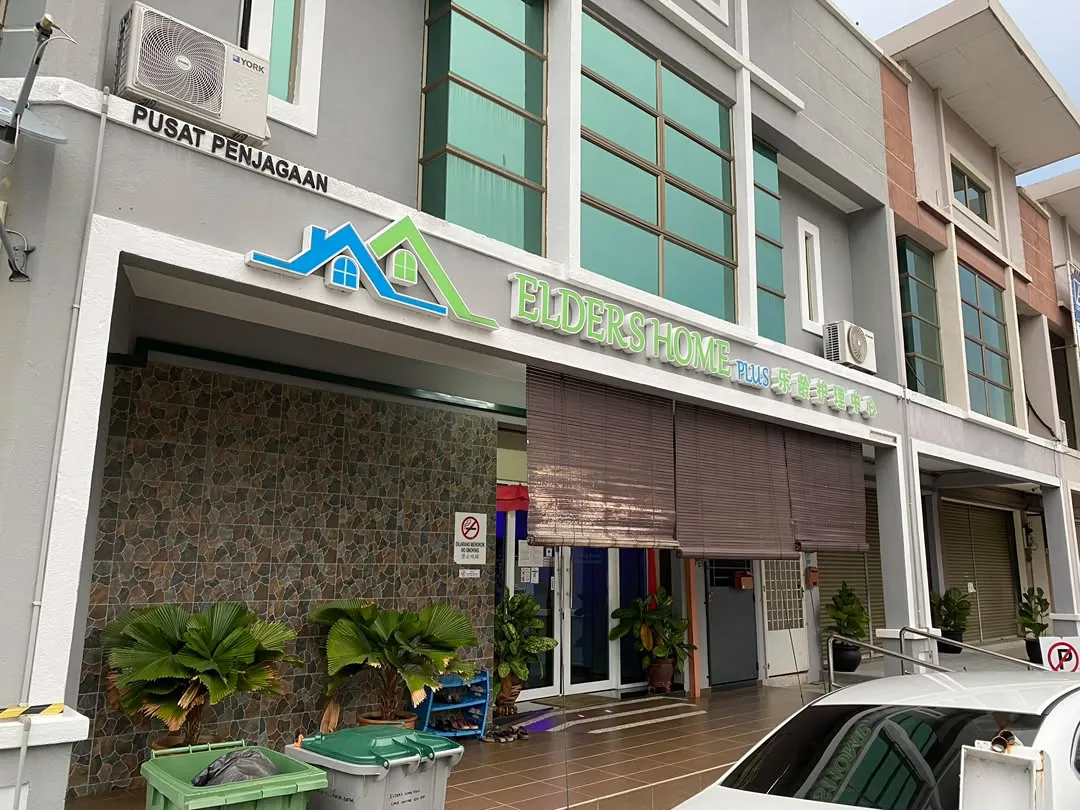
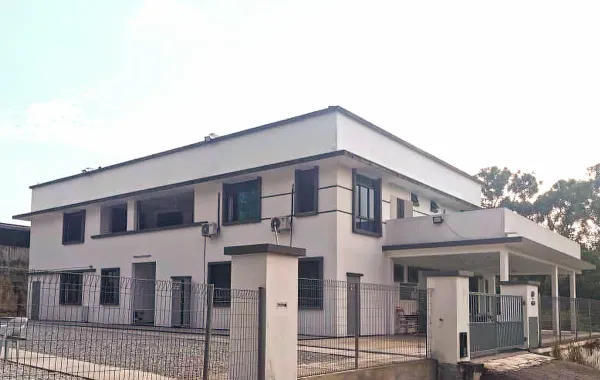
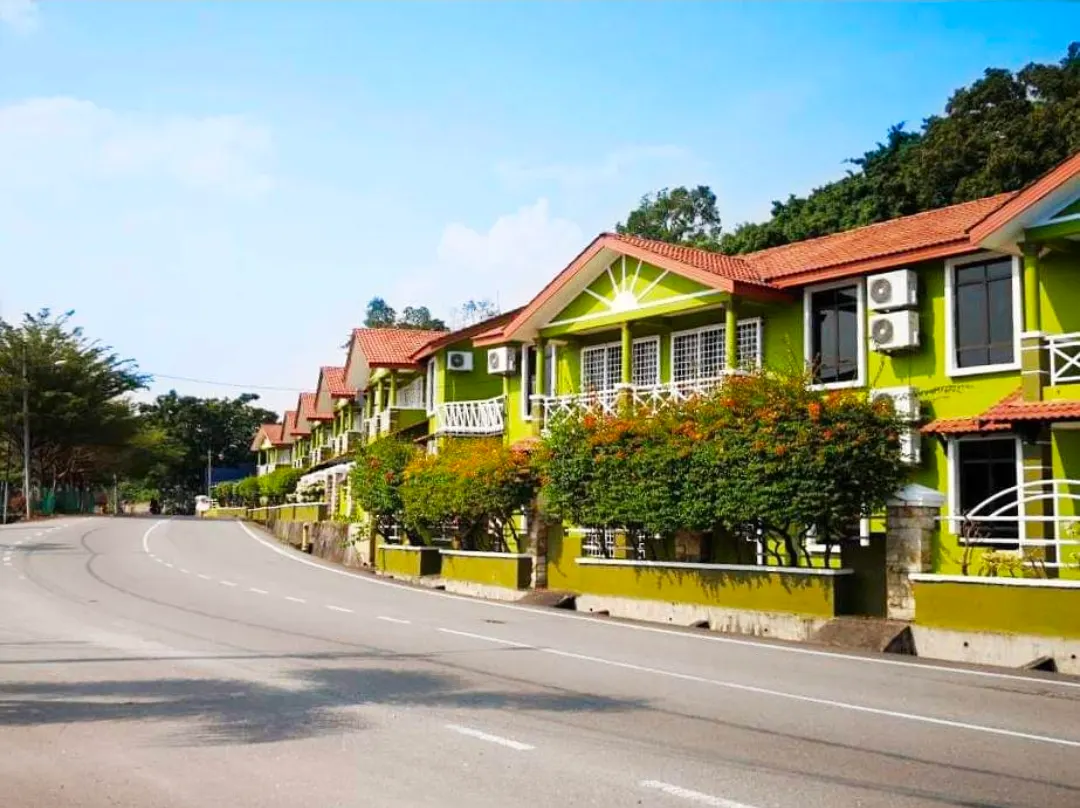
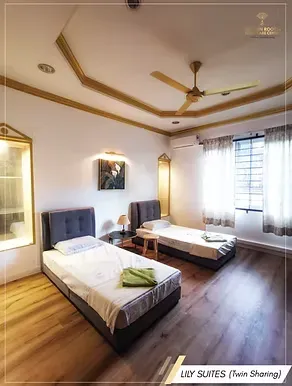
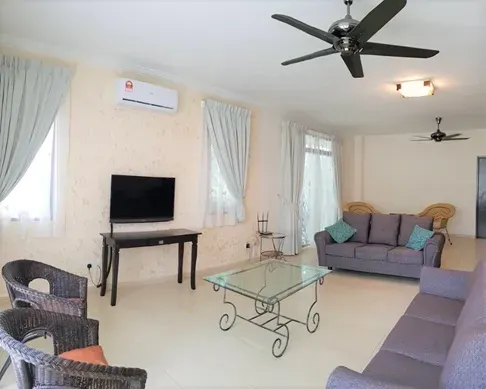
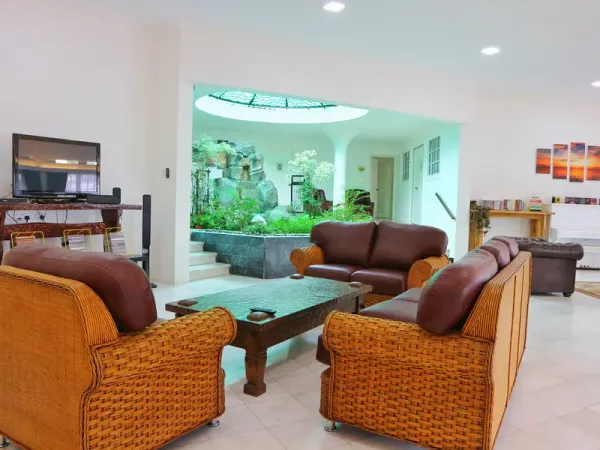
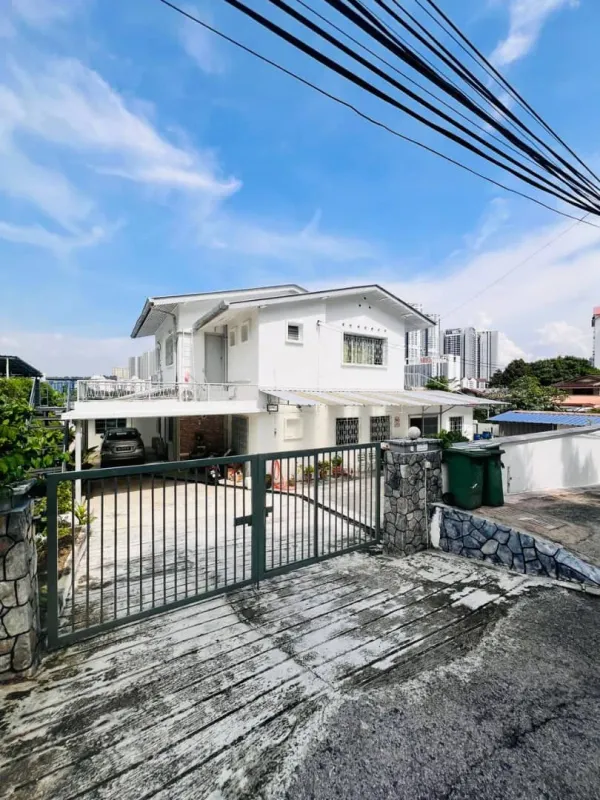
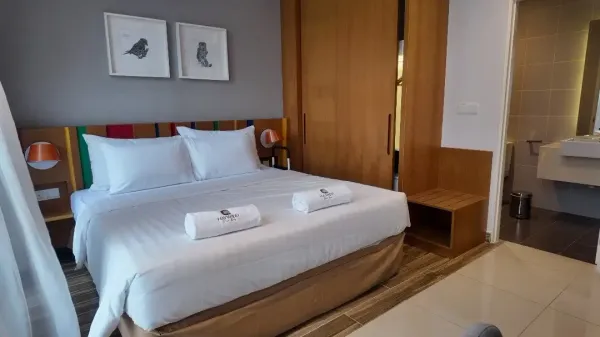
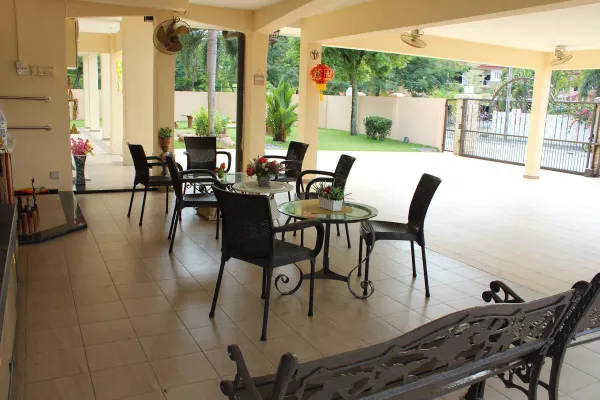
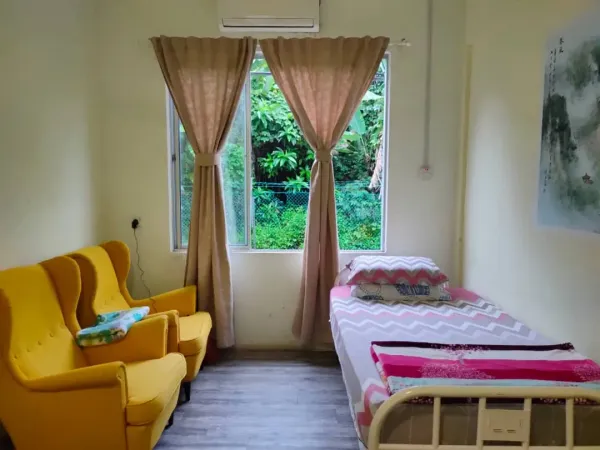
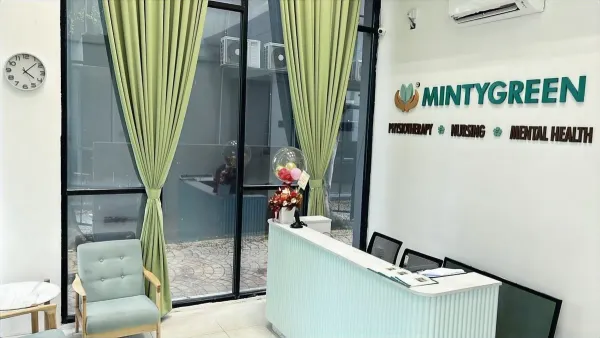
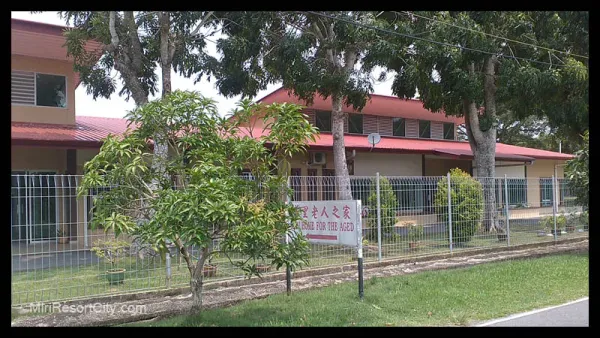
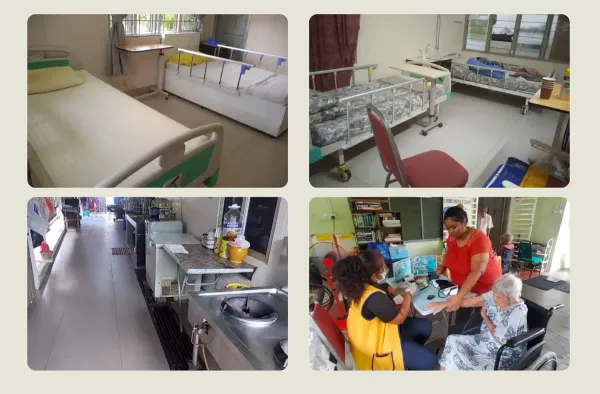
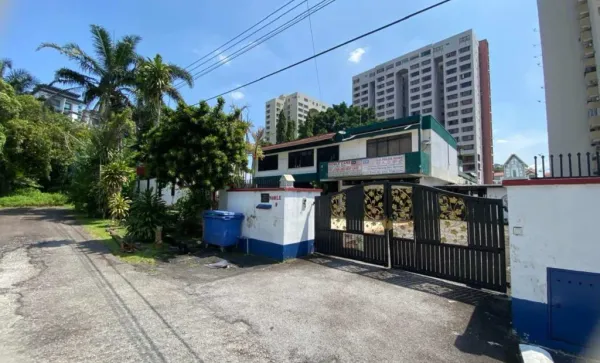
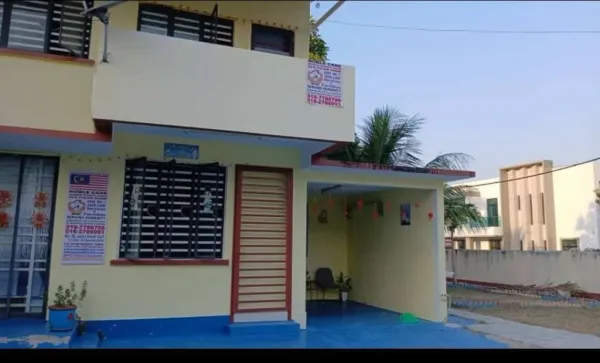
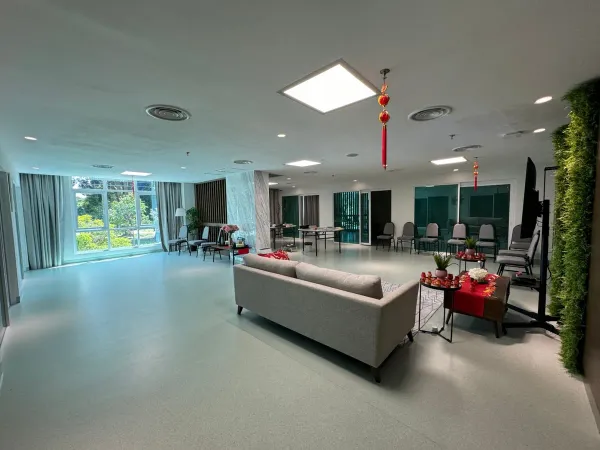
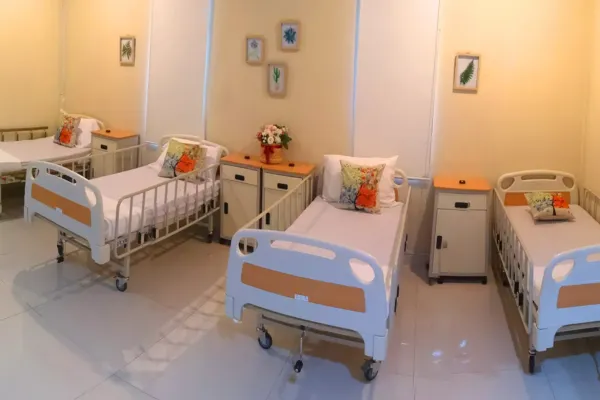
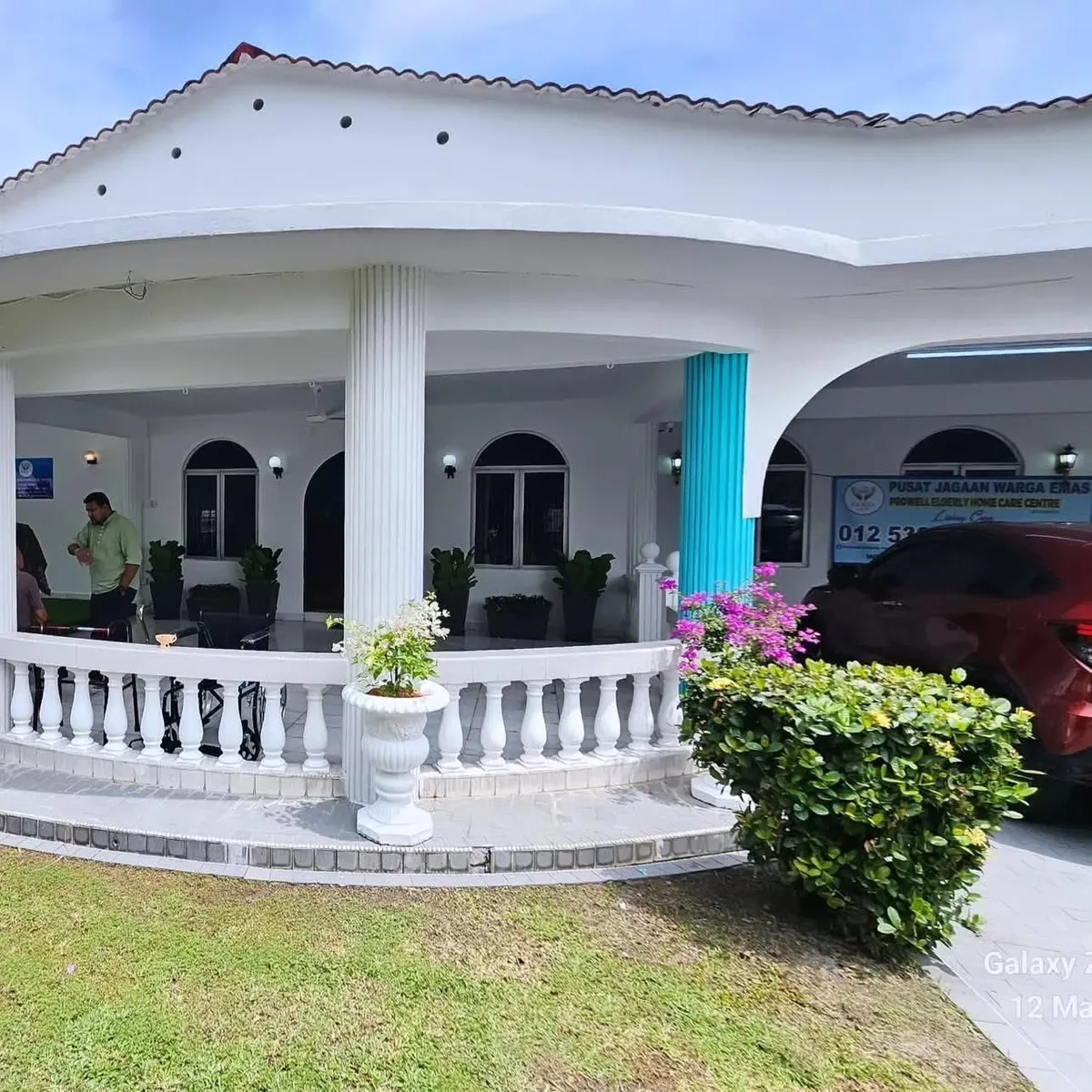
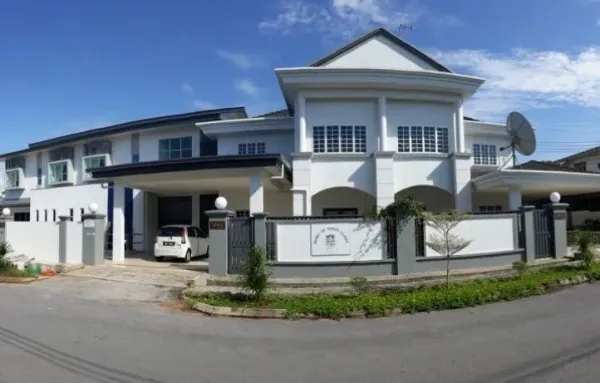
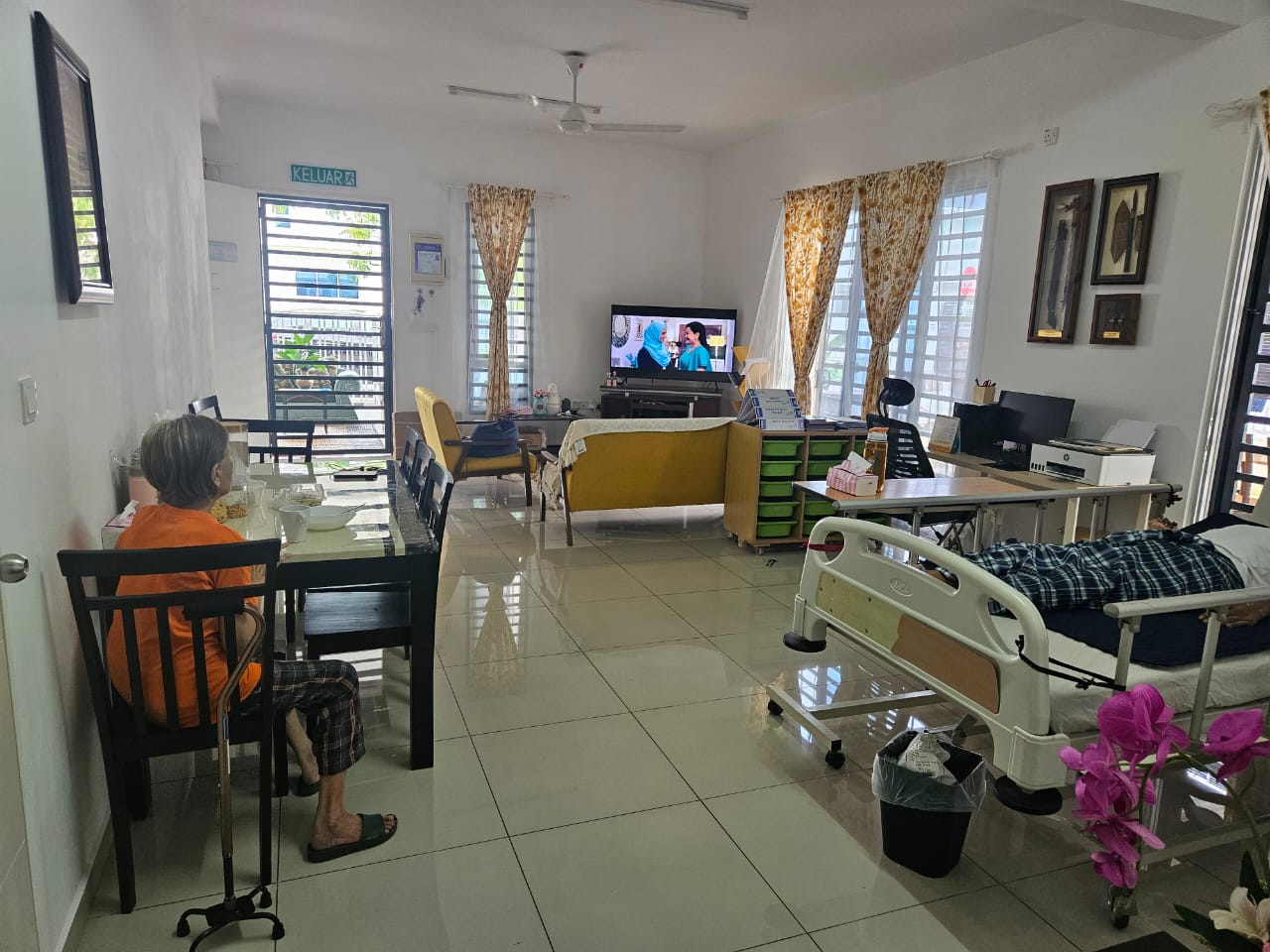
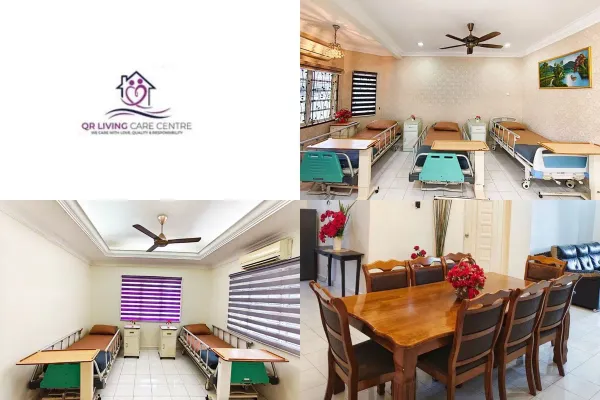
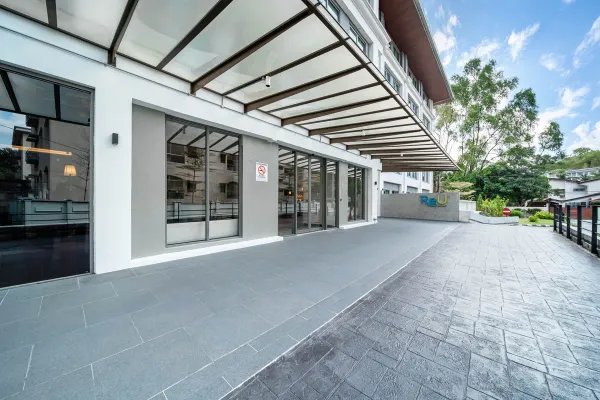
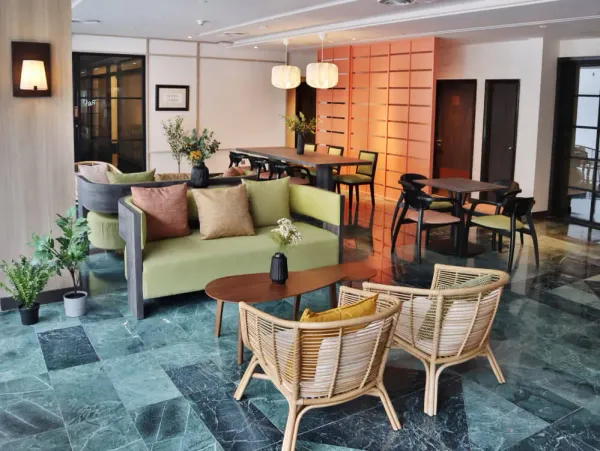
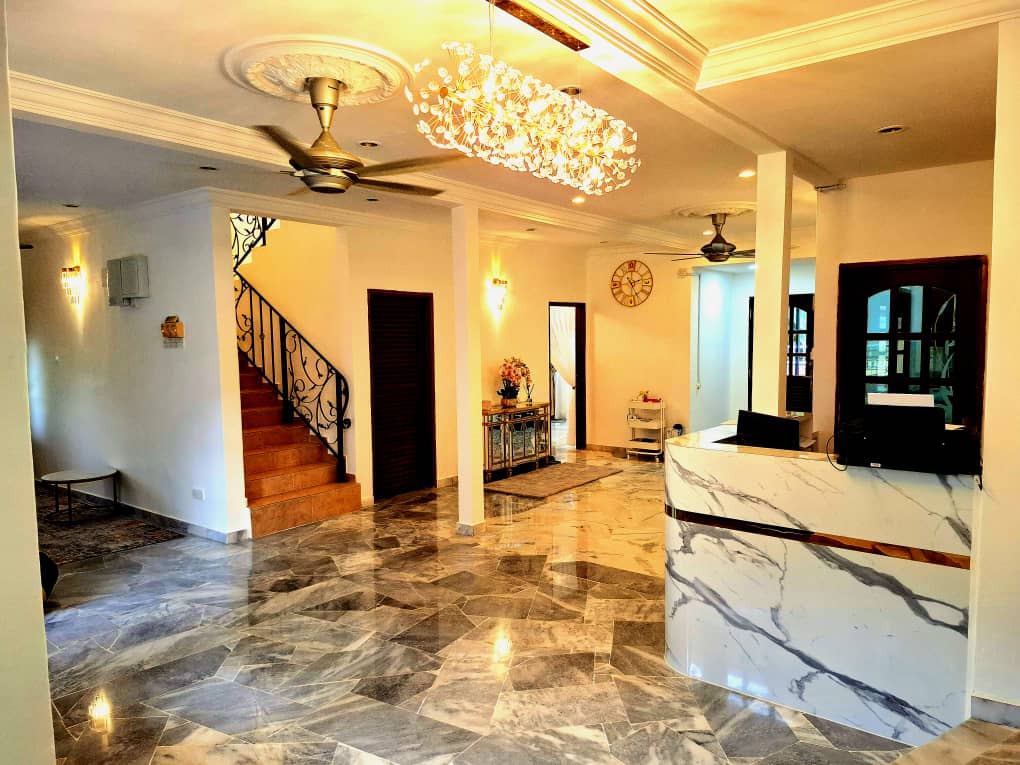
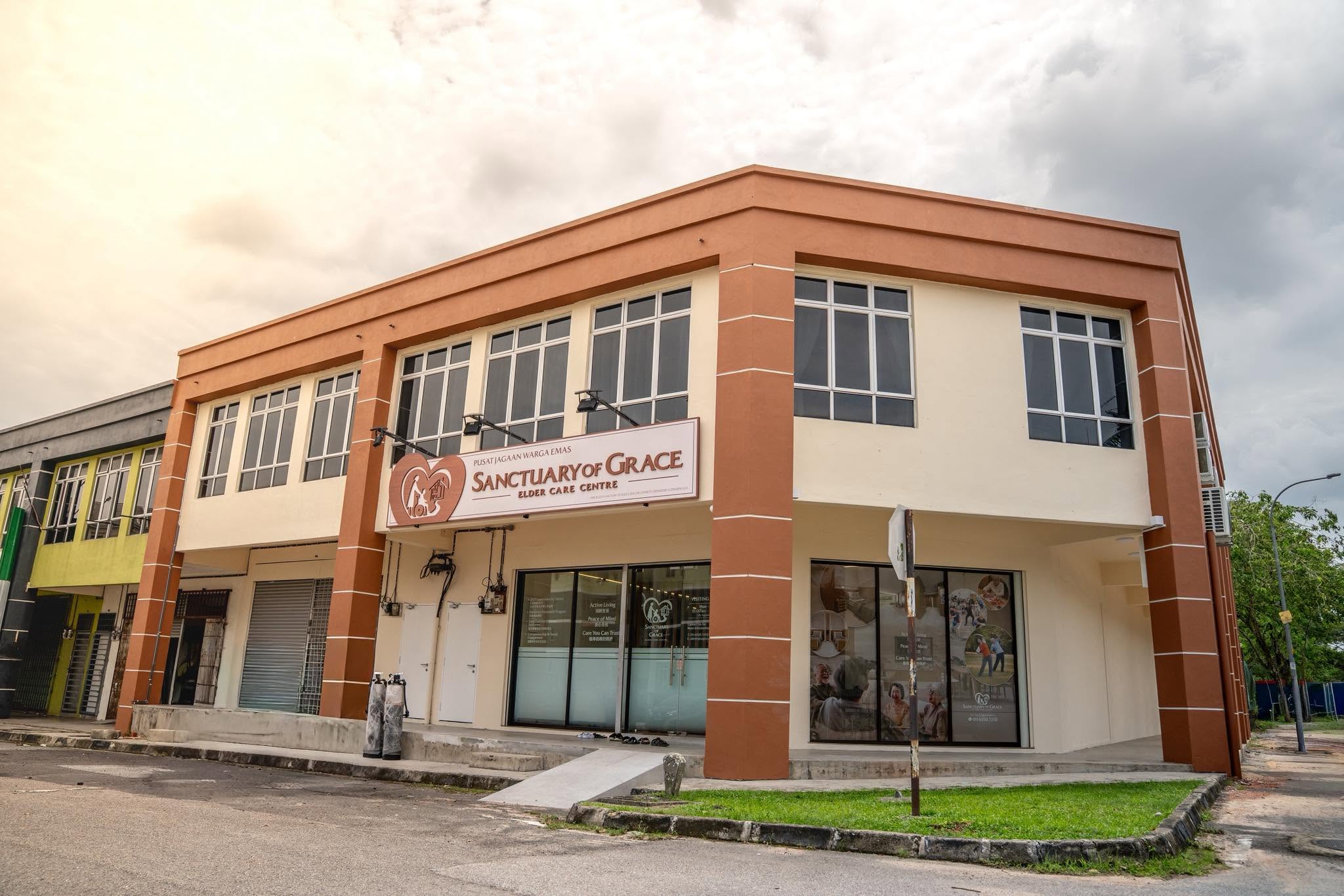
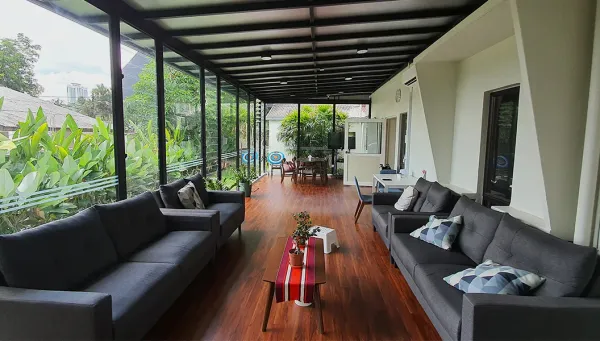
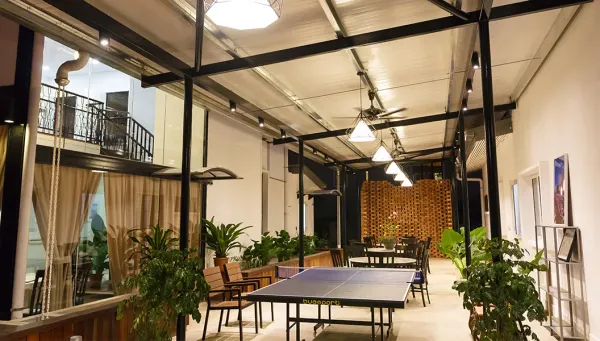
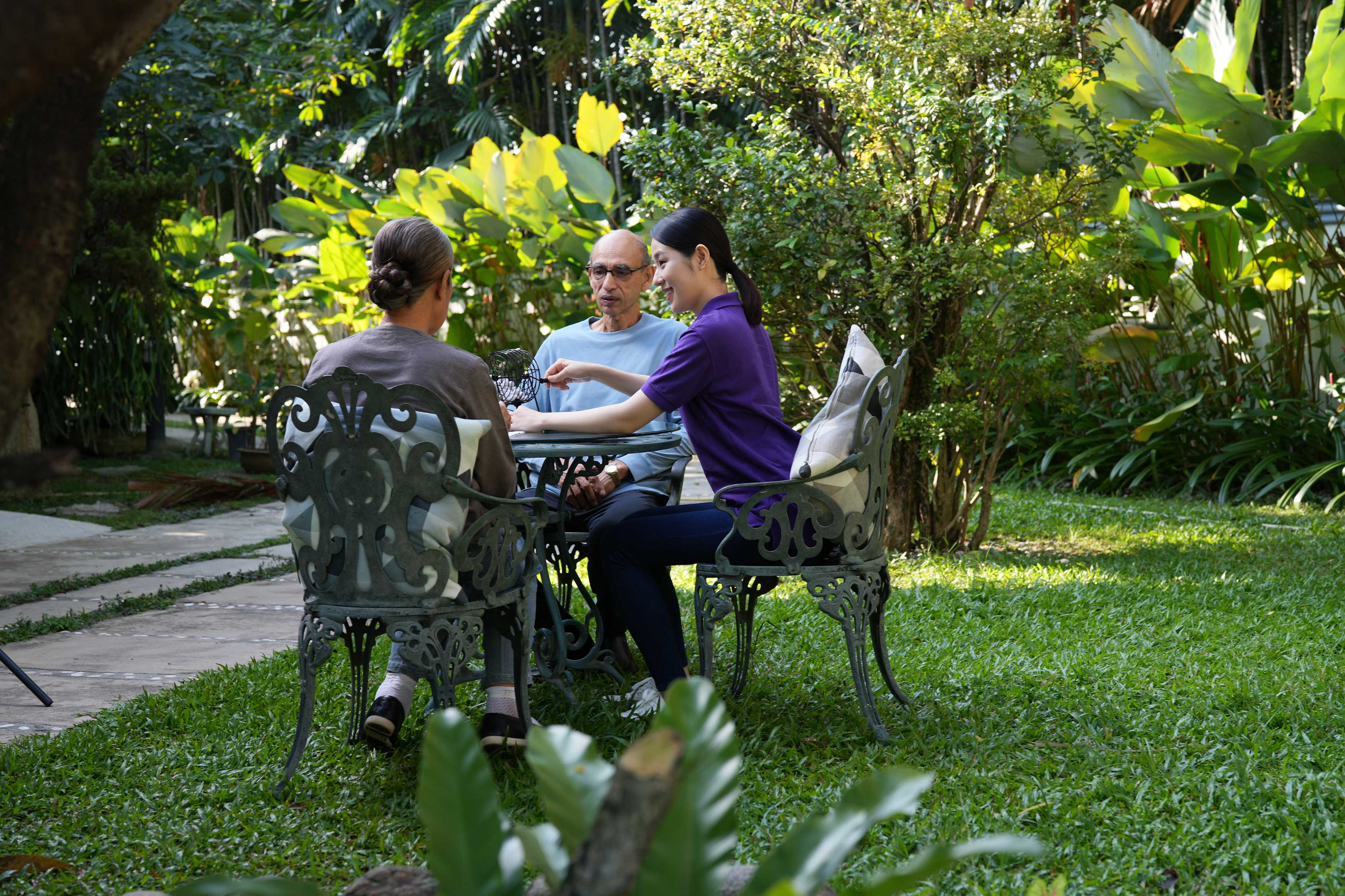
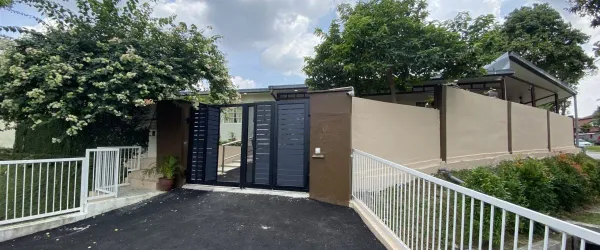
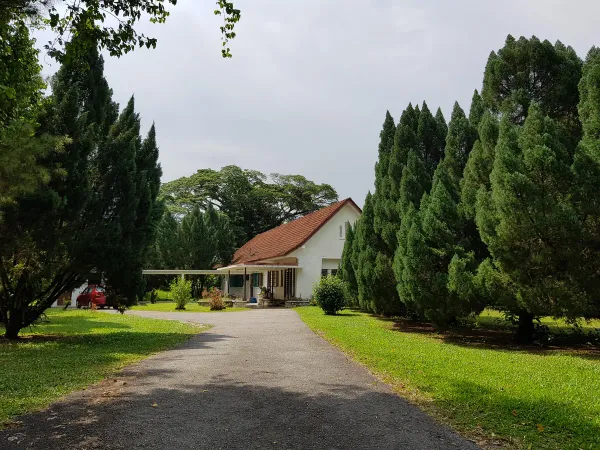
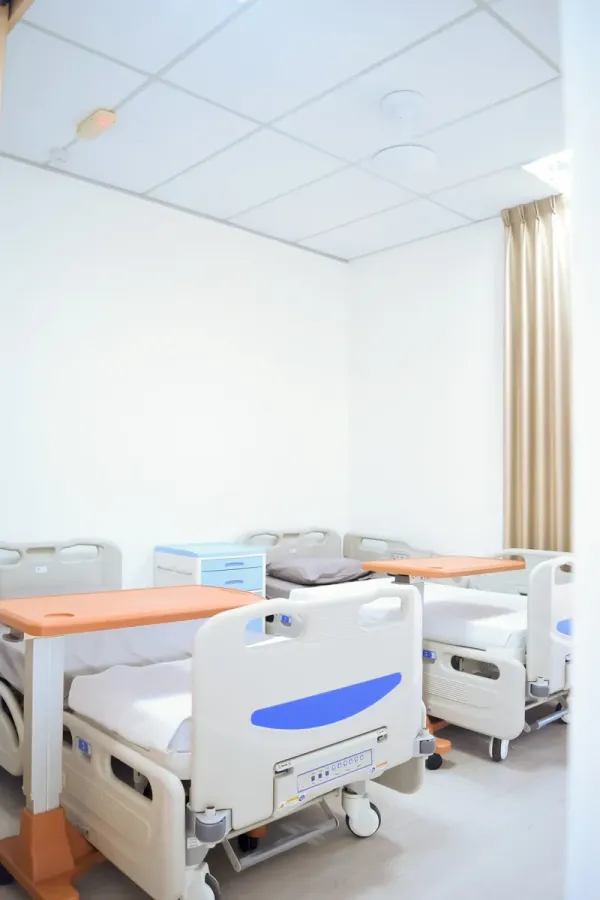
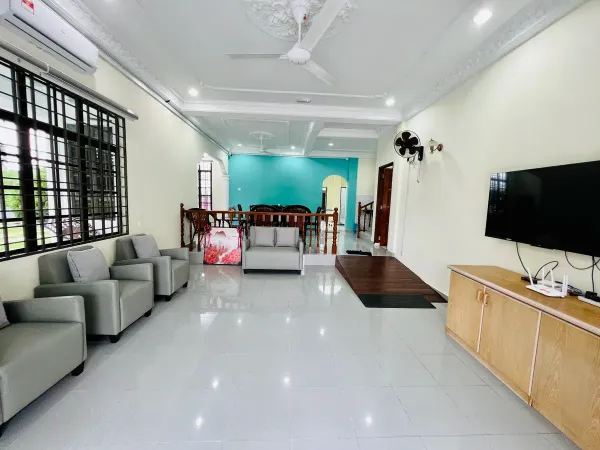
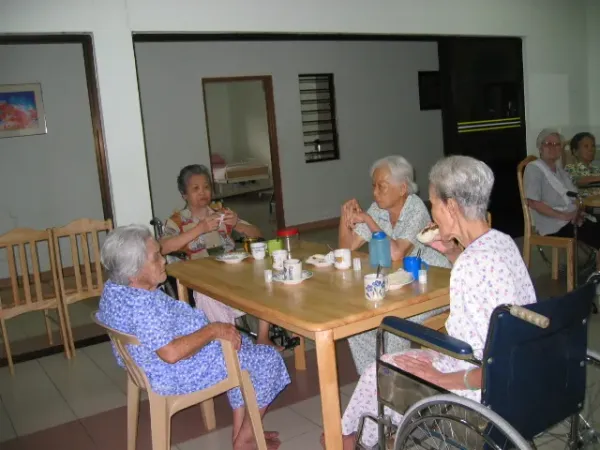
Assisted living in Malaysia generally means residential help with bathing, dressing, medication reminders or mobility for seniors who do not need continuous clinical nursing. Our indicative 2026 ranges are RM3,500-6,500 a month for a shared room, RM5,000-9,000 for a private room and RM8,000-15,000+ at hotel-style operators. As of October 2026, our directory lists 197 homes as assisted living (our category, not a licence class).
In Malaysia the line between "assisted living" and "nursing home" is fuzzy — many JKM-registered care centres serve both populations under one roof. What matters is the operator's approach. A nursing-home that treats every resident clinically can feel institutional for a relatively-mobile parent. A residential community with assisted-living focus often feels lighter and more sociable, but may not have the staffing for someone whose needs are increasing.
The levels of senior care in Malaysia
The main senior-care options, from the most independent to the most clinical:
| Care type | Best for | Main focus |
|---|---|---|
| Independent living | Active seniors who manage daily life | Lifestyle, community, convenience |
| Assisted living | Help with some daily tasks | Bathing, dressing, meals, medication |
| Nursing home | Ongoing medical / high-care needs | 24-hour clinical nursing |
| Dementia care | Alzheimer's or other dementia | Secure, structured, specialist staff |
Choosing the right assisted-living fit
- ●Lifestyle fit before clinical fit. Meals (and dietary accommodation — halal, vegetarian, low-salt). Social programming. Languages spoken on staff. Religious facilities. Your parent will spend most of their time in these everyday textures of life, not in clinical encounters.
- ●Staff-to-resident ratios for non-clinical care. An assisted-living-focused operator should have enough staff during the day for help with showers, walks, and meal companionship. Night-time ratios can be lower, but there should be at least one trained staff member awake on each shift.
- ●Transition planning if needs increase. What happens if your parent has a fall and needs nursing-level care? Does this operator transition them in-house, or do you have to find a new home? The honest answer matters more than the comforting one.
- ●Pricing transparency. What's included in the base fee? Laundry, transport to medical appointments, medication management, doctor's consultation? Some operators bundle these in; others charge add-ons that meaningfully change the monthly total.
Browse by city
Filter to a specific city to see only the local options.
- Assisted living in Petaling Jaya (22)
- Assisted living in Kuala Lumpur (17)
- Assisted living in Ipoh (14)
- Assisted living in Johor Bahru (13)
- Assisted living in George Town (10)
- Assisted living in Subang Jaya (7)
- Assisted living in Seremban (7)
- Assisted living in Tanjung Bungah (5)
- Assisted living in Klang (5)
- Assisted living in Sungai Petani (5)
- Assisted living in Kota Kinabalu (Likas) (4)
- Assisted living in Kajang (4)
- Assisted living in Melaka (4)
- Assisted living in Bayan Lepas (3)
- Assisted living in Kuching (3)
- Assisted living in Bangsar (3)
- Assisted living in Puchong (3)
- Assisted living in Klebang Besar (3)
- Assisted living in Johor Bahru (Ulu Tiram) (3)
- Assisted living in Kuantan (3)
- Assisted living in Miri (3)
- Assisted living in Seri Kembangan (3)
- Assisted living in Bukit Baru (2)
- Assisted living in Bukit Mertajam (2)
- Assisted living in Tanjung Tokong (2)
- Assisted living in Kota Samarahan (2)
- Assisted living in Shah Alam (2)
- Assisted living in Semenyih (2)
- Assisted living in Rawang (2)
- Assisted living in Kota Kinabalu (2)
- Assisted living in Kangar (2)
Frequently asked questions
Common questions families ask about assisted living in Malaysia.
- What's the difference between assisted living and a nursing home in Malaysia?
- Assisted living serves residents who are largely independent but need help with bathing, dressing, medication reminders, and mobility. Nursing homes serve residents who need clinical-grade nursing — NG/PEG feeding, post-stroke recovery, complex wound care. In Malaysia the line is fuzzy: many JKM-registered care centres serve both populations under one roof. What matters is the operator's actual approach and staffing.
- How much does assisted living cost in Malaysia?
- Assisted living typically runs RM 3,500–6,500/month for shared rooms; RM 5,000–9,000 for private. Hotel-style premium operators push RM 8,000–15,000+. Pricing varies meaningfully by state — Ipoh and Seremban are typically RM 1,000-2,000/month below KL equivalents.
- What happens if my parent's needs increase?
- Ask each operator directly: if your parent has a fall and needs nursing-grade care, do they transition them in-house or do you need to find a new home? An honest answer matters more than a comforting one. Some assisted-living operators have a parallel nursing-care wing (or partner with one) to avoid forcing a move; others don't.
- Are there halal-friendly assisted living options in Malaysia?
- Yes — several operators (Woodrose Senior Residences in Shah Alam, Golden Years Senior Residence in Kota Kemuning) explicitly position around Muslim families with halal kitchens and surau / prayer space. Our Muslim eldercare hub filters listings by halal-friendly and prayer-room status.
Related guides
The bottom line
Assisted living is the right tier for most Malaysian families' first placement — parents who need help with daily activities, are medically stable, and don't yet need 24-hour clinical nursing. The price gap to MOH-licensed nursing care is real (often RM 2,000-3,000/month), and over-placing into nursing care strips autonomy faster than families expect.
Optimise the choice for lifestyle fit before clinical fit: meals that match dietary needs (halal, vegetarian, low-salt), social programming, languages spoken on staff, religious facilities. Your parent will spend most of their time in these everyday textures of life. And always ask about transition planning — if needs increase in 12-24 months, can the home flex up to nursing care, or will you face a forced second move?