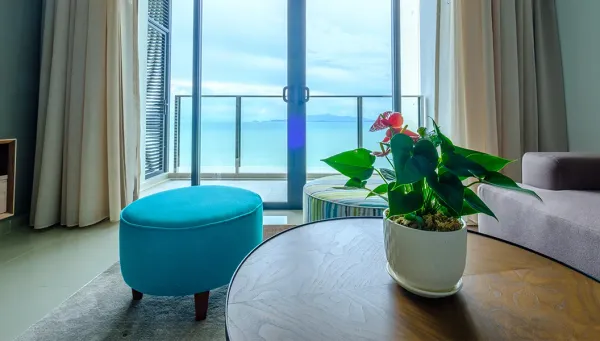
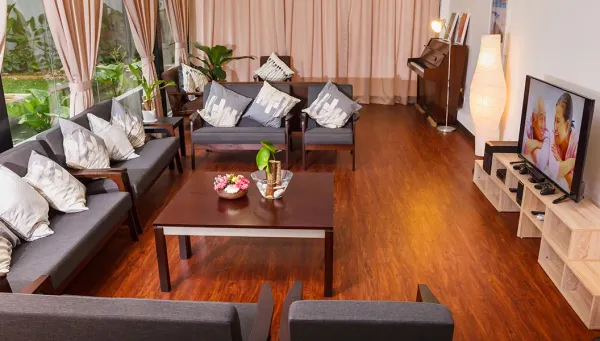
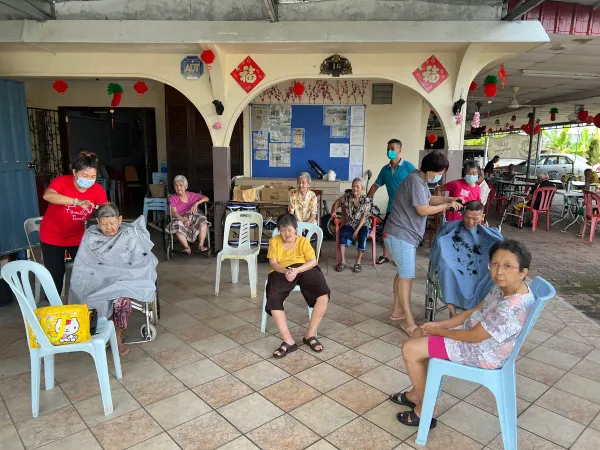
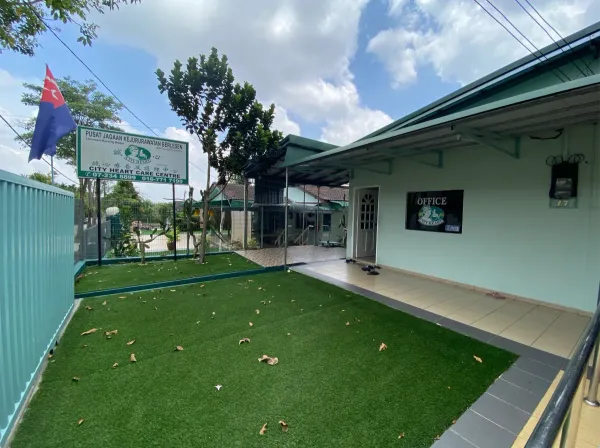
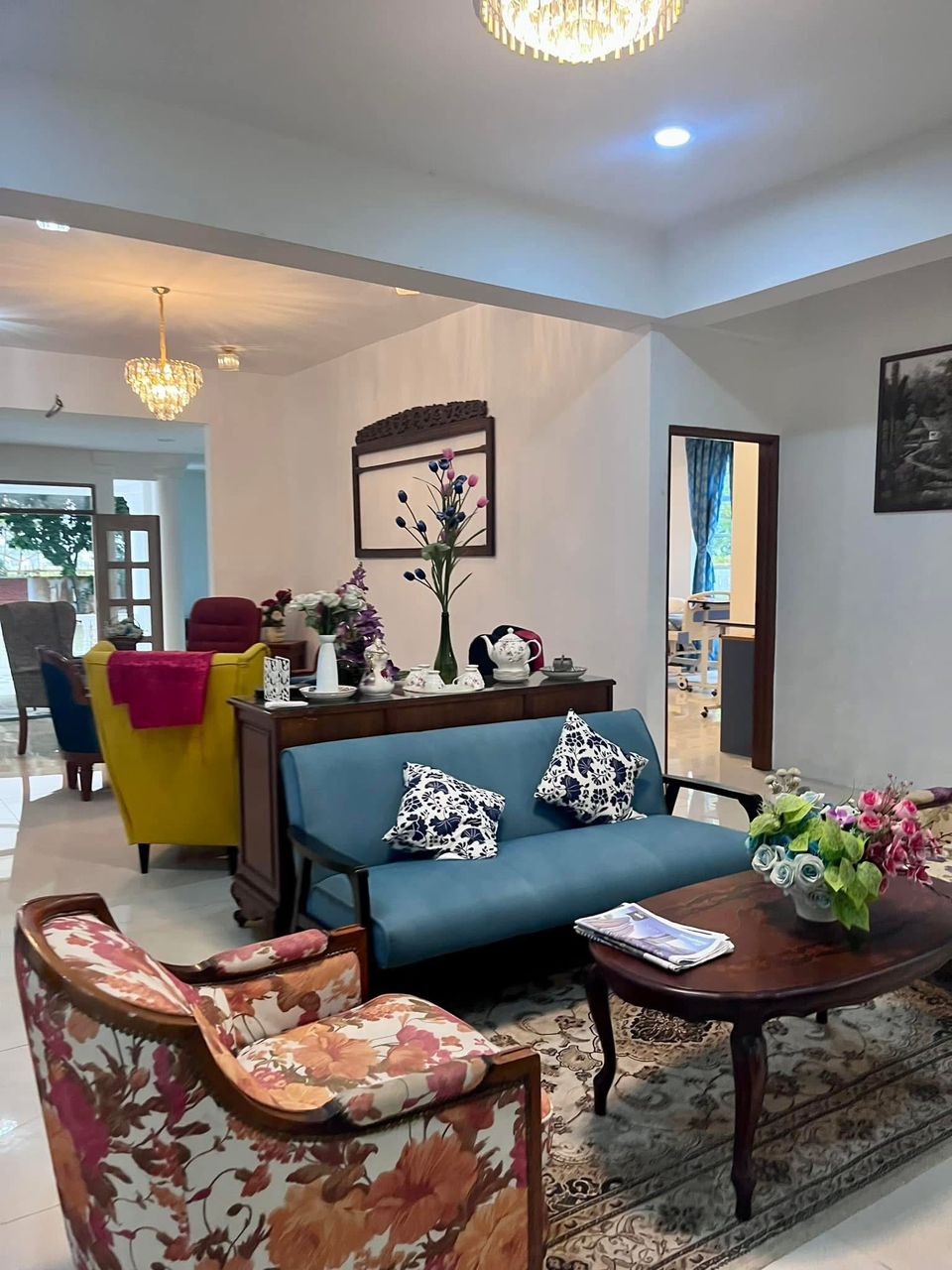
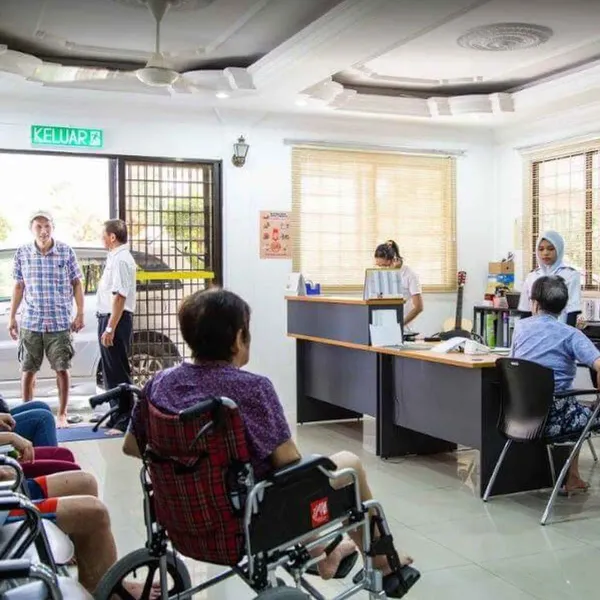
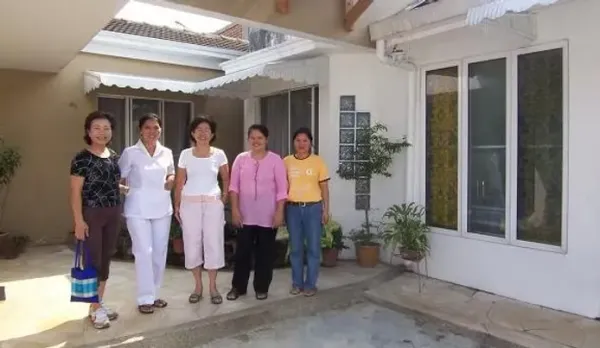
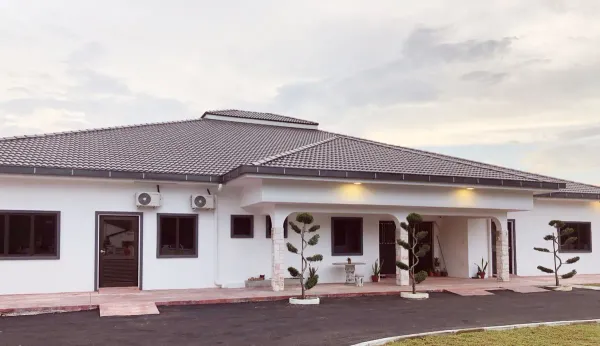
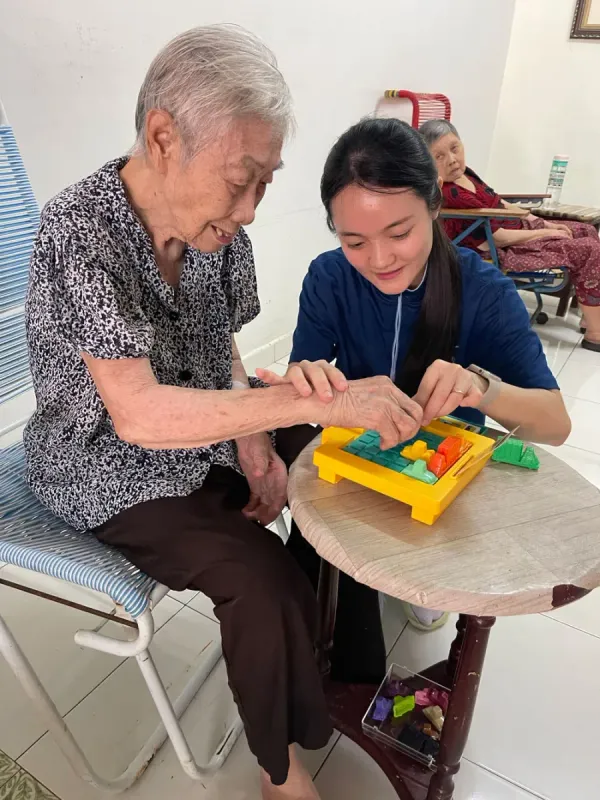
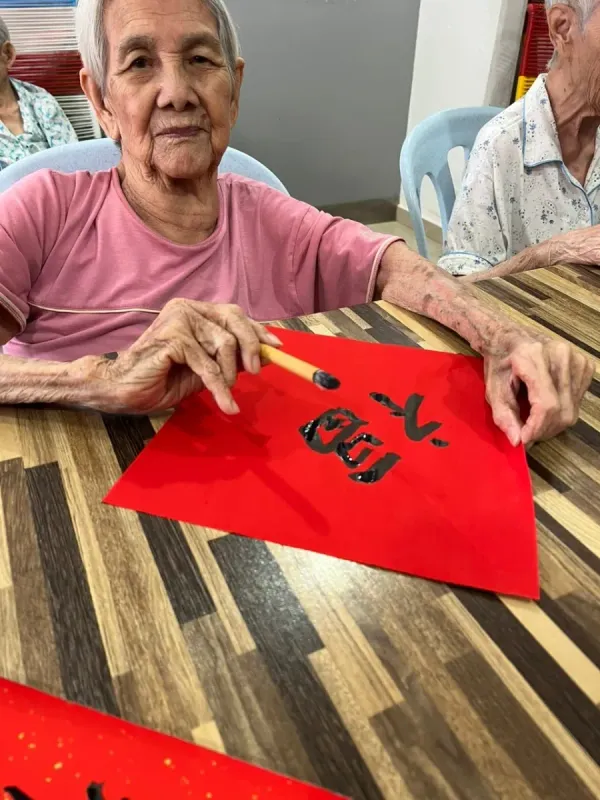
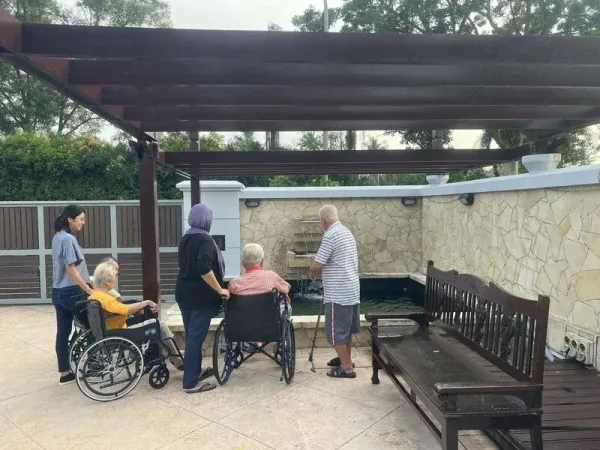
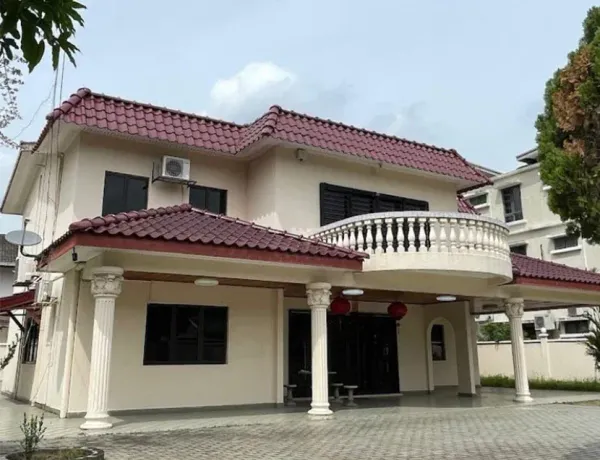
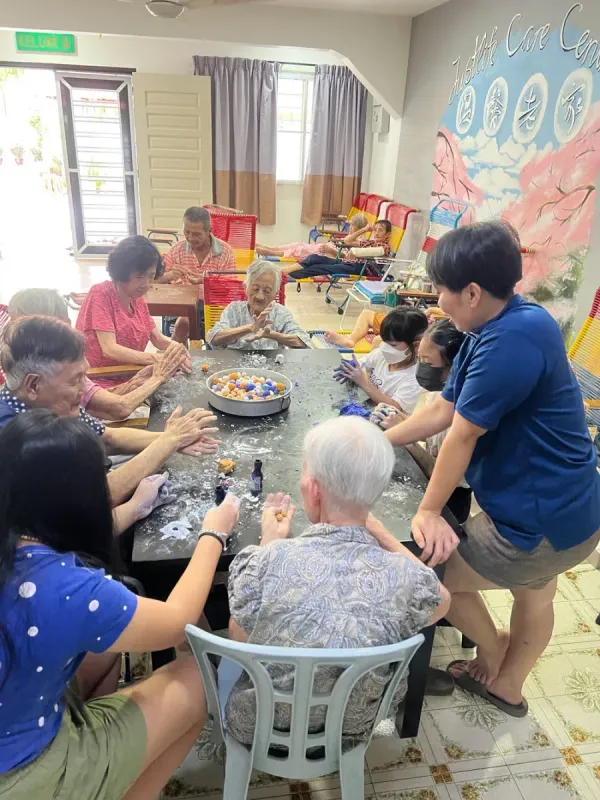
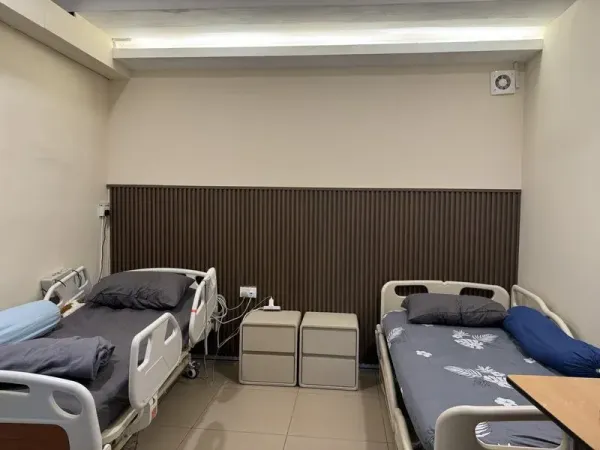
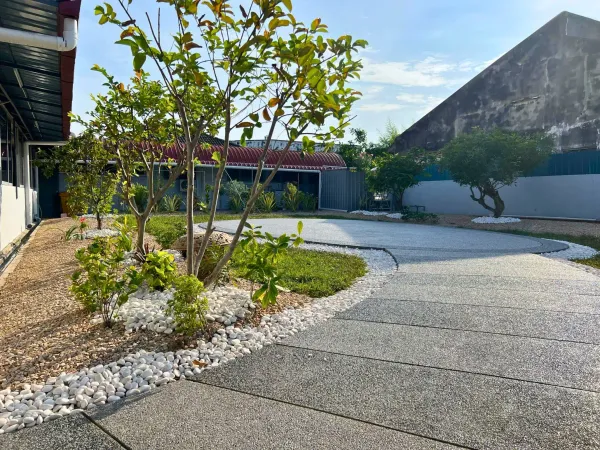
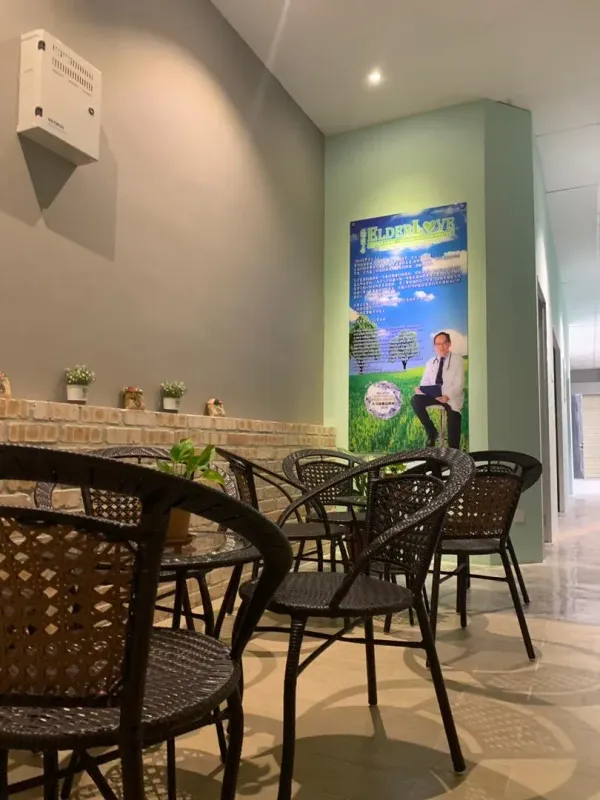
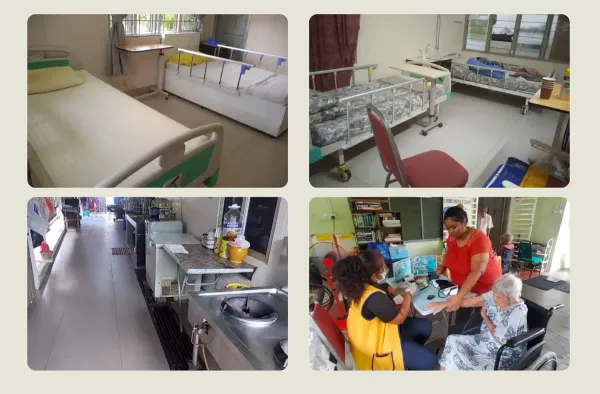
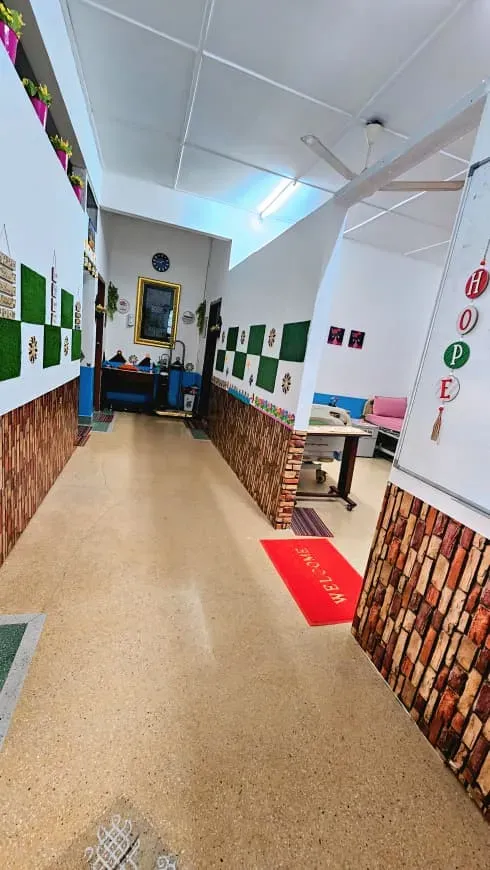
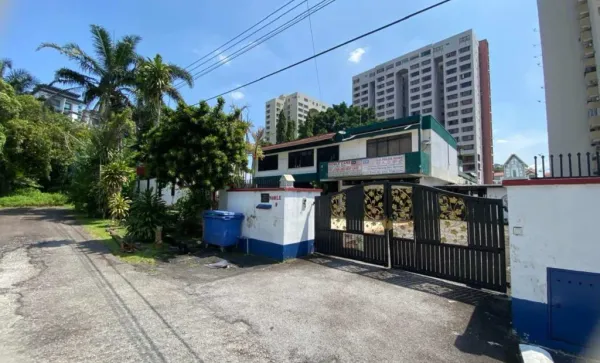
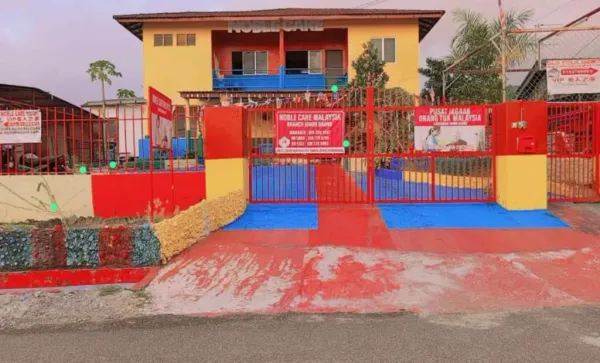
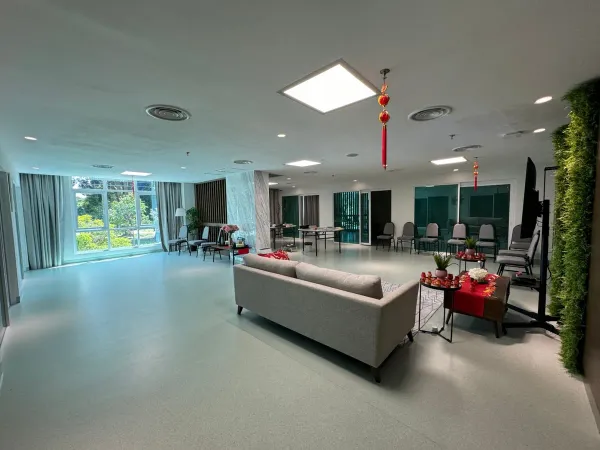
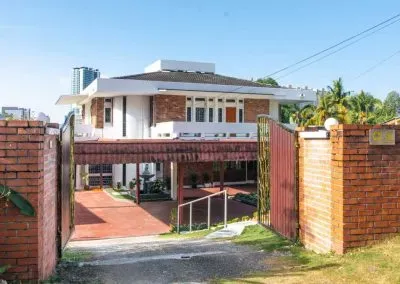
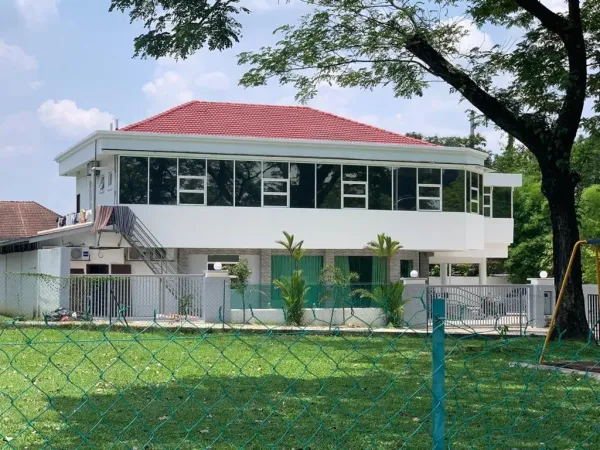
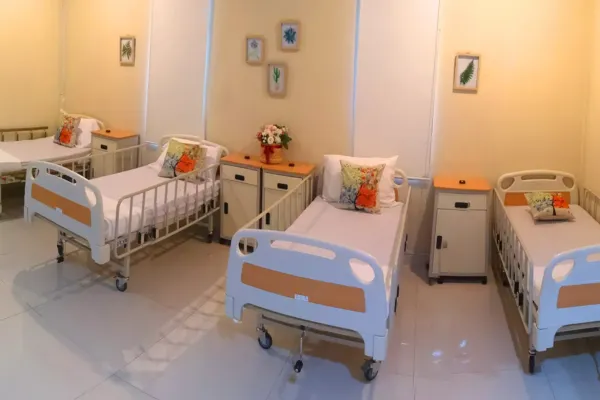
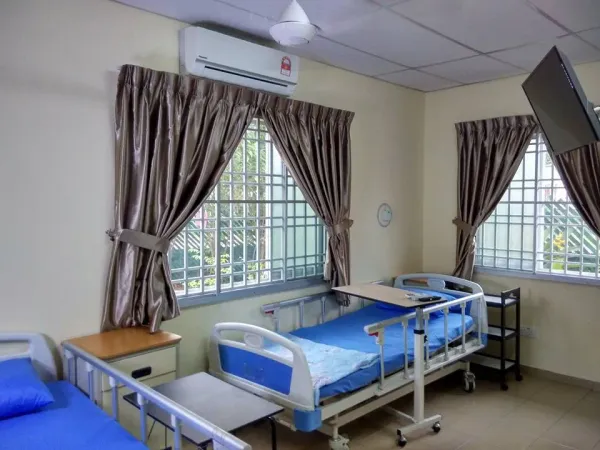
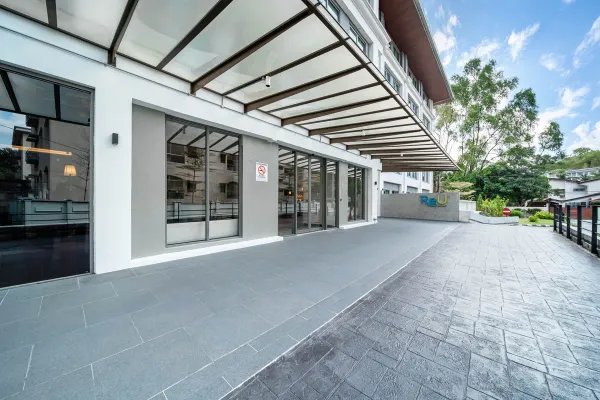
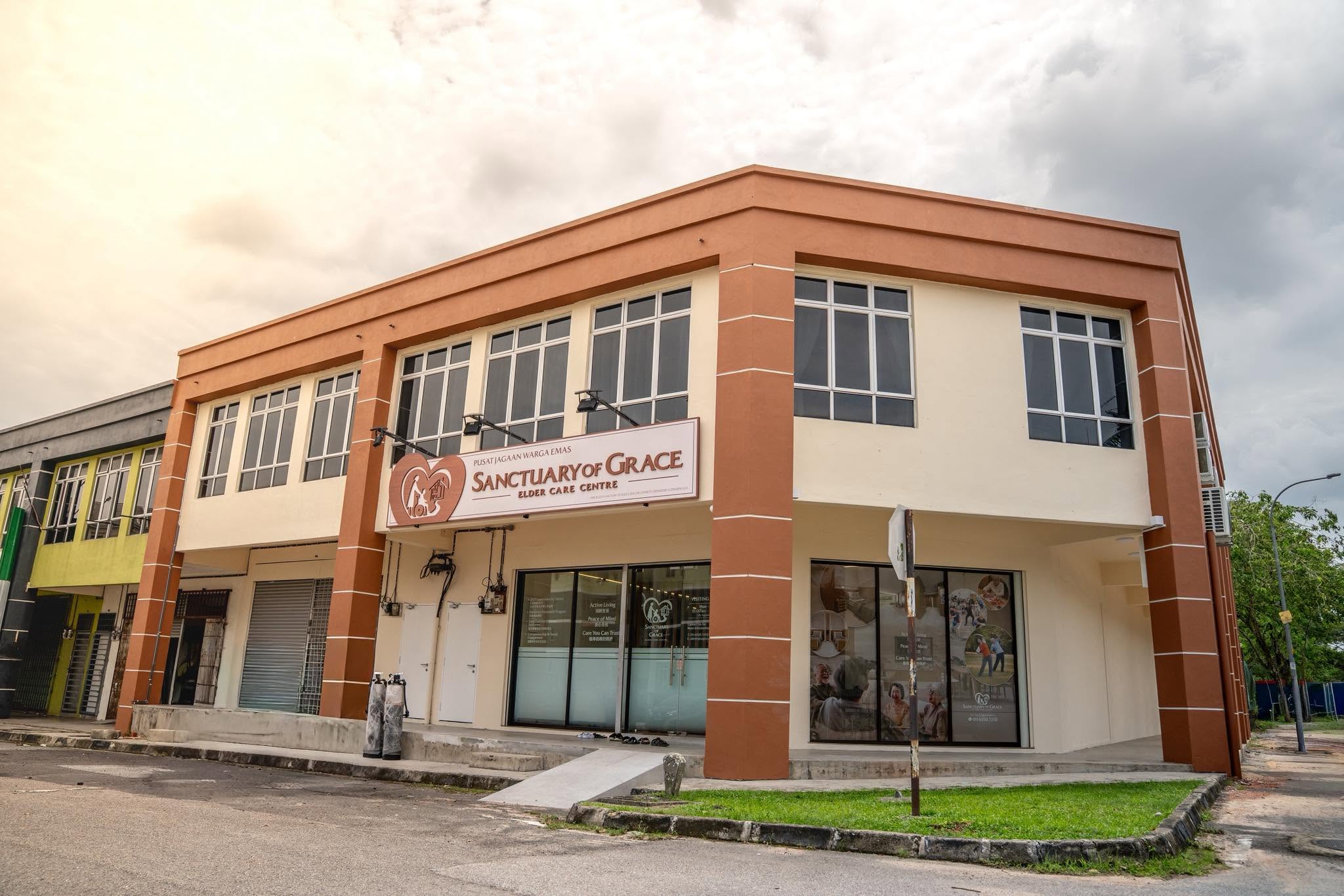
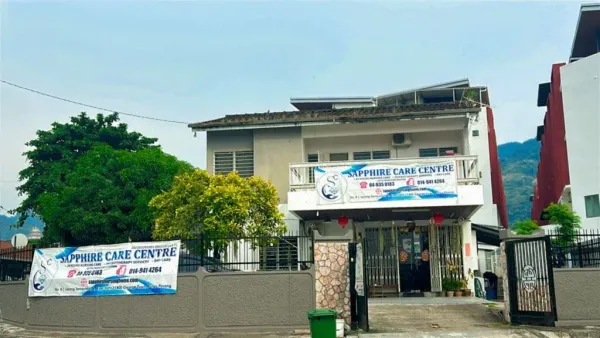
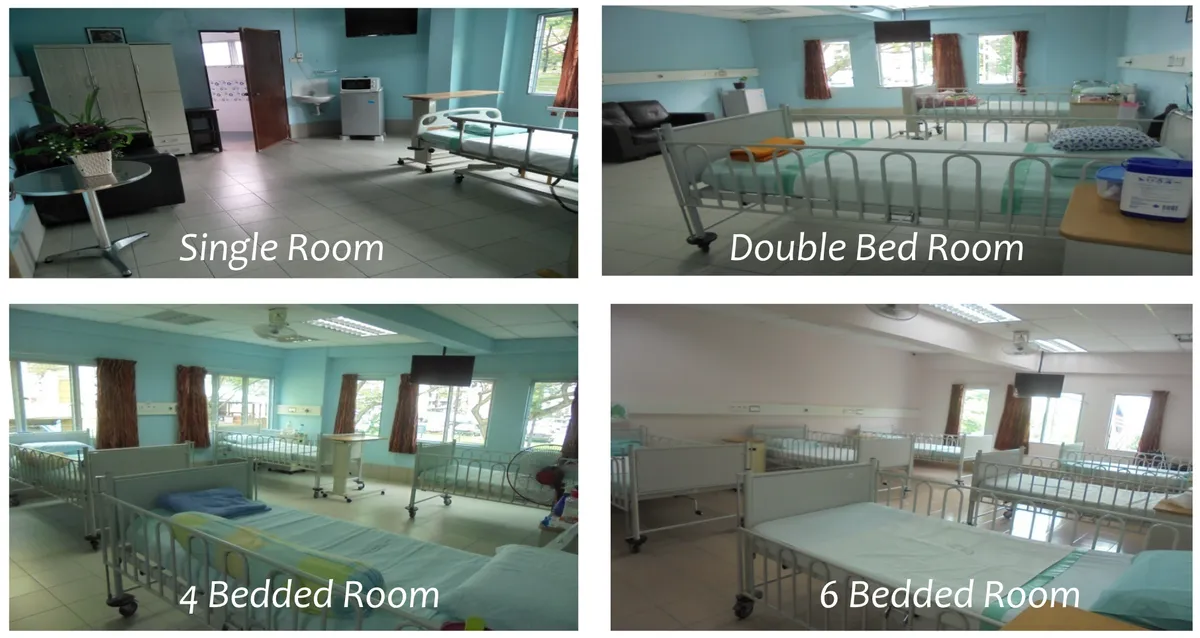
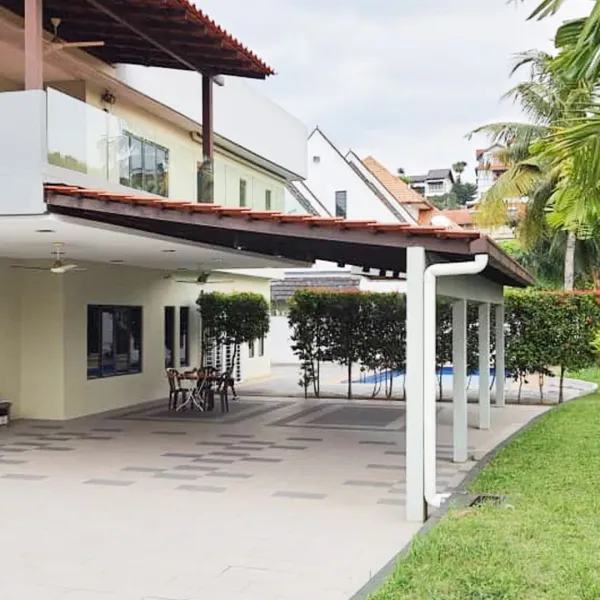
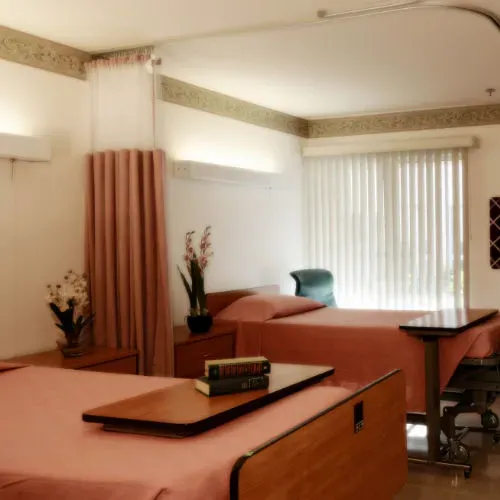
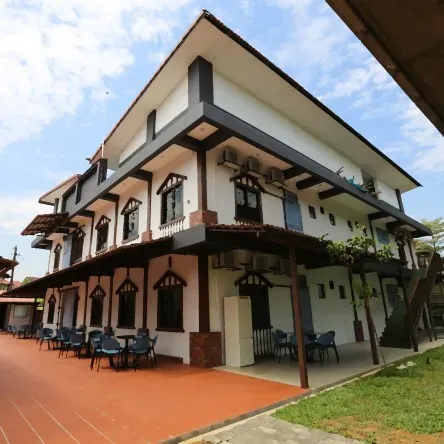
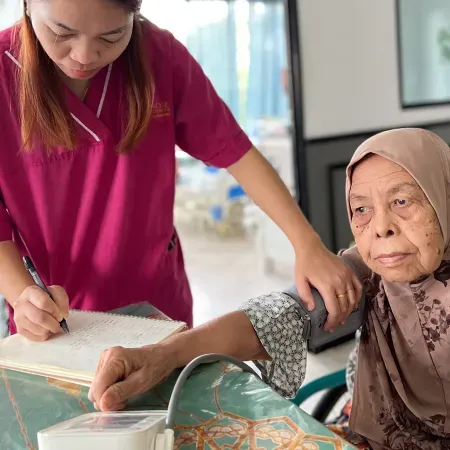
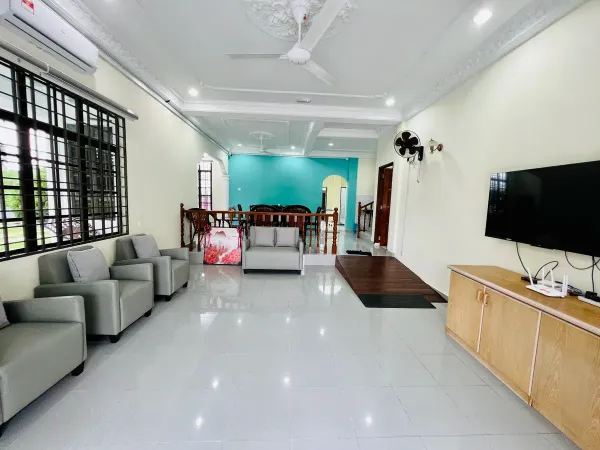
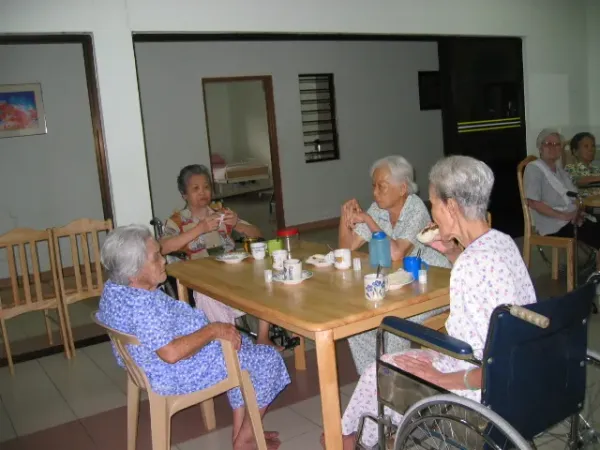
Respite care is a short-term stay at a residential nursing or care home — typically a few days to a few weeks — while family caregivers travel, recover from their own illness, or simply rest. In Malaysia, most JKM-registered care centres and MOH-licensed nursing homes accept respite residents alongside their long-term ones, though capacity varies.
Three common reasons to use respite care: a structured break for an exhausted family caregiver, a short-stay placement after hospital discharge while you sort out next steps, and a low-risk trial run before committing to a permanent move. The listings below are homes that explicitly offer respite or short-stay placements — confirm available dates and the daily/weekly rate directly with each operator.
The levels of senior care in Malaysia
The main senior-care options, from the most independent to the most clinical:
| Care type | Best for | Main focus |
|---|---|---|
| Independent living | Active seniors who manage daily life | Lifestyle, community, convenience |
| Assisted living | Help with some daily tasks | Bathing, dressing, meals, medication |
| Nursing home | Ongoing medical / high-care needs | 24-hour clinical nursing |
| Dementia care | Alzheimer's or other dementia | Secure, structured, specialist staff |
What to ask before booking a respite stay
- ●Minimum and maximum stay length. Some homes need a 7- or 14-day minimum to make a respite booking work; others accept 3-day stays. If your need is genuinely short, ask upfront before reserving.
- ●All-in daily or weekly rate, not just the headline. Respite is typically priced per day or per week and is usually higher per day than long-term. Ask which extras (medications, doctor visits, diapers, escort to appointments) are bundled and which are billed on top.
- ●Care continuity from home or hospital. If your parent is coming straight from a hospital discharge, ask how the home wants the medication list, wound care plan, and any clinical handover delivered. A good operator has a clear intake process.
- ●Trial run rules. If you're using respite to test whether the home works long-term, ask whether the deposit and admin fee are credited toward a future long-term placement. Some homes are flexible; others charge respite and long-term as separate transactions.
- ●Re-bookability for repeat respite. Many family caregivers end up using respite every few months. Ask whether you can pre-book a recurring slot, or whether each stay is first-come-first-served.
Browse by city
Filter to a specific city to see only the local options.
- Respite care in Petaling Jaya (33)
- Respite care in Kuala Lumpur (20)
- Respite care in Ipoh (16)
- Respite care in George Town (14)
- Respite care in Johor Bahru (14)
- Respite care in Seremban (9)
- Respite care in Subang Jaya (7)
- Respite care in Kajang (7)
- Respite care in Klang (7)
- Respite care in Kuching (6)
- Respite care in Bayan Lepas (5)
- Respite care in Kuantan (5)
- Respite care in Sungai Petani (5)
- Respite care in Bukit Baru (4)
- Respite care in Cheras (4)
- Respite care in Tanjung Bungah (4)
- Respite care in Puchong (4)
- Respite care in Shah Alam (4)
- Respite care in Bangsar (4)
- Respite care in Seri Kembangan (4)
- Respite care in Kota Kinabalu (Likas) (3)
- Respite care in Klebang Besar (3)
- Respite care in Johor Bahru (Ulu Tiram) (3)
- Respite care in Semenyih (3)
- Respite care in Miri (3)
- Respite care in Butterworth (2)
- Respite care in Tanjung Tokong (2)
- Respite care in Taman Johor (2)
- Respite care in Ampang (2)
Frequently asked questions
Common questions families ask about respite care in Malaysia.
- How much does respite care cost in Malaysia?
- Respite care is typically priced per day or per week and is usually higher per-day than long-term placements (to cover intake/exit overhead). Daily rates commonly run RM 150–300; weekly rates RM 1,000–2,000. Premium hotel-style operators run higher. Always ask which extras (medications, doctor visits, diapers, escort to appointments) are bundled vs billed on top.
- What's the minimum respite stay length?
- Some homes require a 7- or 14-day minimum to make a respite booking work; others accept 3-day stays. If your need is genuinely short, ask before reserving. Post-hospital-discharge respite sometimes has different minimums than caregiver-break respite.
- Can respite be a trial run for a permanent placement?
- Yes — a respite stay is a low-risk way to test whether a specific home works long-term before committing. Ask whether the deposit and admin fee are credited toward a future long-term placement. Some homes are flexible; others charge respite and long-term as separate transactions.
- How far in advance should I book respite?
- For caregiver-break respite (planned holidays), 4-8 weeks ahead is typical and gives the home time to reserve a bed. Post-hospital-discharge respite can sometimes be arranged within 24-48 hours if the home has capacity. School holidays and Hari Raya periods see higher demand and need earlier booking.
Related guides
The bottom line
Respite care is the most under-used tool in Malaysian senior care. Most JKM-registered homes accept short stays, but families typically don't think about it until the primary caregiver collapses. Used proactively — even once or twice a year — it keeps a home-care arrangement sustainable for longer and avoids the much harder emergency-placement scenario later.
Two practical uses families miss: respite as a structured break for an exhausted caregiver, and respite as a low-risk trial run before committing to a permanent move. Always confirm minimum stay length, the all-in daily or weekly rate, and whether the deposit credits toward a future long-term placement at the same home.